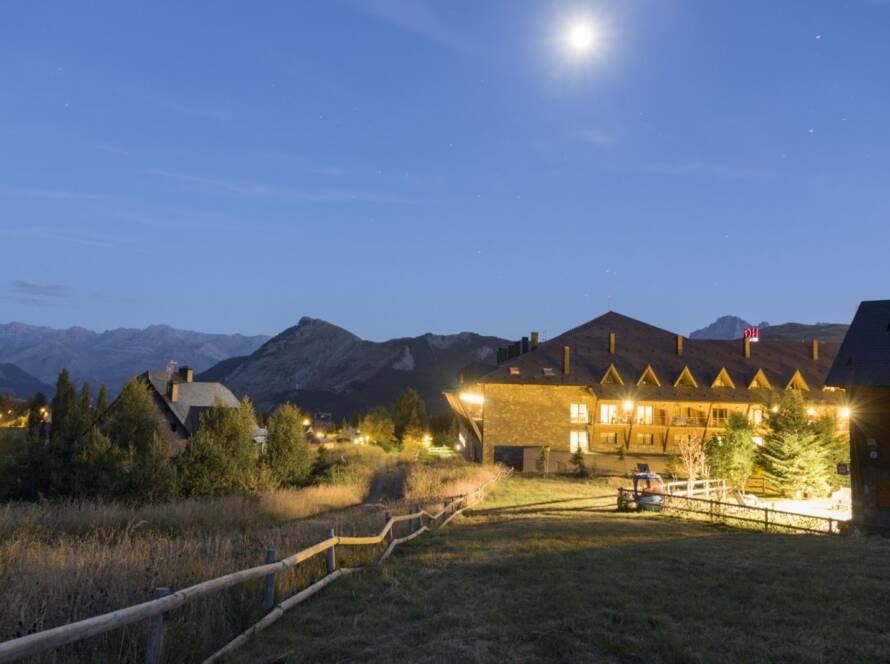
More travelers are seeking experiences that combine relaxation with opportunities to improve their physical, mental, and emotional well-being. A wellness retreat offers dedicated time to step away from daily routines and focus on personal health. Finding the right one starts with understanding what kind of experience will leave you feeling refreshed long after your stay ends.
How to Find the Right Wellness Retreat Experience
Not every wellness retreat offers the same environment, programs, or approach to personal well-being. What feels restorative and rewarding for one person may not meet the needs of another. Taking time to evaluate key factors before booking can help you choose a retreat that aligns with your goals, preferences, and expectations.
Start With Your Wellness Goals
Before comparing accommodations, activities, or amenities, take a moment to consider why you want to attend a retreat. Different programs are designed to support different outcomes, and the right choice depends largely on your personal priorities.
What Do You Want From a Wellness Retreat?
The answer to this question can shape every part of your decision. Someone feeling overwhelmed by work or family obligations may be looking for quiet surroundings, mindfulness practices, and opportunities to relax. Another person may want a more active experience focused on movement, nutrition, and fitness. Some travelers arrive with specific wellness goals, while others know they need a break from their current routine. Understanding your motivation helps narrow the field and makes it easier to identify programs that align with your expectations.
How Do You Know Which Retreat Fits You?
Many wellness retreats share similar descriptions, but the daily experience can vary considerably. Some follow structured schedules filled with classes, workshops, and guided activities. Others offer a more flexible approach that lets guests set their own pace. Think about how you normally recharge and what type of environment helps you feel comfortable. If you enjoy guidance and accountability, a more organized program may be appealing. If personal freedom matters more, a retreat with fewer scheduled commitments could be a better fit.
Identify Your Wellness Priorities
Retreats often take different approaches, and understanding those differences can help you make a more informed decision. Some focus heavily on physical health, while others place greater emphasis on mindfulness and emotional well-being. Knowing your priorities helps you choose programs that support your specific needs.
Are You Looking to Improve Physical Health?
Many people choose a wellness retreat to reconnect with healthier habits. Busy schedules often make it difficult to maintain regular exercise, balanced nutrition, and consistent self-care practices. Retreat programs can create a supportive environment where these habits become easier to develop. Fitness classes, outdoor activities, and wellness coaching may help participants establish routines that feel realistic and sustainable. As energy levels improve, many people find themselves feeling more motivated in other areas of life as well.
Do You Need Time to Reset and Recharge?
Not every wellness journey begins with fitness goals. Sometimes the greatest need is simply finding space to slow down and clear your mind. Stress can build gradually until it affects sleep, focus, and overall well-being. Mindfulness sessions, meditation practices, and quiet moments of reflection can help create a sense of balance. Spending time away from daily pressures often allows people to reconnect with themselves and gain a fresh perspective.
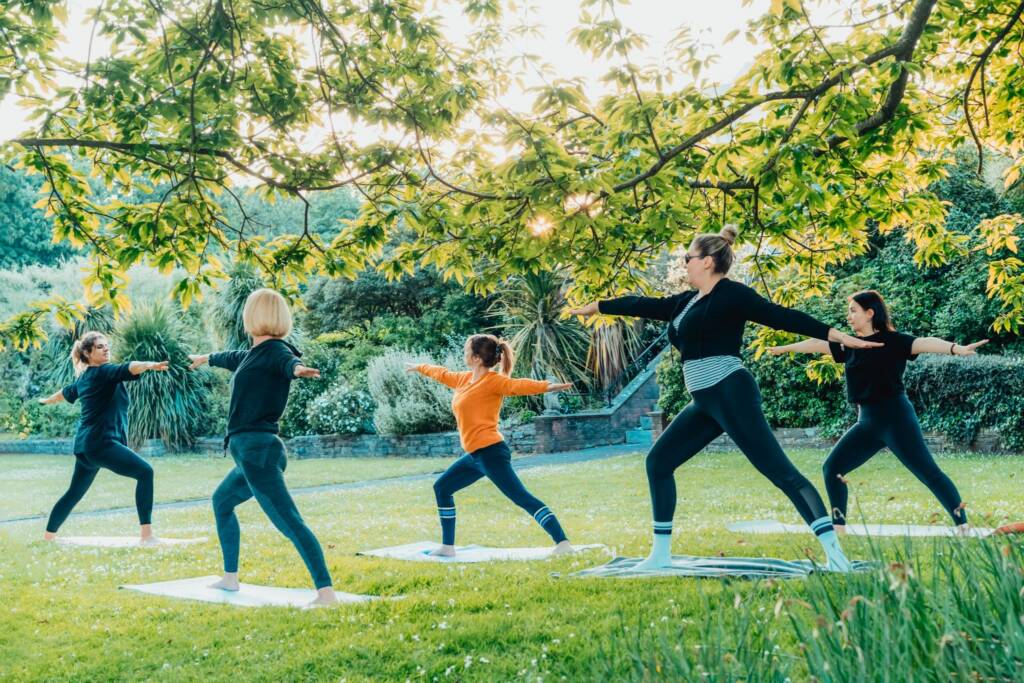
Explore Different Retreat Experiences
Not every program follows the same philosophy, and each one offers a unique experience. Some take a comprehensive approach that combines several wellness disciplines. Others focus on a specific area, such as fitness, mindfulness, or personal growth.
What Happens at a Holistic Wellness Retreat?
Holistic wellness retreats focus on the connection between physical health, mental well-being, and daily lifestyle habits. Rather than concentrating on a single area, these programs encourage balance across multiple aspects of life. Guests may participate in movement-based activities, wellness workshops, mindfulness practices, and nutrition-focused experiences throughout their stay. This integrated approach helps participants understand how different wellness habits work together. The experience often feels more comprehensive because it supports the whole person rather than one specific need.
Is an Active Retreat a Better Fit?
Active wellness retreats often include hiking, yoga, strength training, outdoor recreation, and other movement-based activities. These programs appeal to people who enjoy learning through participation rather than reflection alone. Physical challenges can build confidence while also improving overall fitness. Many guests appreciate the sense of accomplishment that comes from pushing themselves in a supportive environment. For individuals who prefer action-oriented experiences, this retreat style can be especially rewarding.
Evaluate Activities and Programs
A retreat’s activities often determine how the experience unfolds from day to day. A well-designed program should support your goals while leaving room for rest and personal reflection. Reviewing the details carefully can help you avoid choosing a retreat that looks appealing but feels mismatched once you arrive.
How Much Structure Do You Want?
Some people thrive when each day follows a clear schedule. Others prefer having the flexibility to choose activities based on how they feel in the moment. Reviewing the daily itinerary can reveal whether a retreat leans toward structure or freedom. Neither approach is better than the other, but one may suit your personality more effectively. A schedule that feels comfortable often encourages greater participation throughout the stay.
What Can You Learn During a Retreat?
Relaxation may be the reason many people book a retreat, but education often becomes an unexpected benefit. Wellness workshops can introduce practical strategies for managing stress, improving nutrition, and building healthier habits. These learning opportunities help extend the value of the experience beyond the retreat itself. Instead of returning home with only memories, participants often leave with useful knowledge they can apply in daily life. Small changes learned during a retreat can sometimes produce lasting results.
Consider the Retreat Environment
The setting can influence your experience just as much as the program itself. A peaceful environment makes it easier to disconnect from daily pressures and focus on personal well-being. While activities and workshops matter, the atmosphere often shapes how relaxed and engaged you feel throughout your stay.
Why Does Location Matter?
A change of scenery often creates the mental space needed to step away from everyday responsibilities. Busy schedules, constant notifications, and familiar routines can make it difficult to unwind fully. Retreat destinations that offer natural surroundings and a slower pace help create a stronger sense of separation from daily life. This shift allows many people to focus more fully on wellness activities and personal reflection. Spending time in a calm environment can also improve concentration and reduce feelings of stress.

What Should You Look for in Accommodations?
Comfort plays a larger role in wellness than many people realize. A retreat may offer excellent programs, but inadequate accommodations can affect the overall experience. Look for spaces that provide privacy, cleanliness, and opportunities for restful sleep. Some travelers prefer simple accommodations that minimize distractions, while others appreciate additional amenities that support relaxation. Reviewing photos and room descriptions can provide a better sense of what to expect. The goal is to find an environment where you can feel comfortable, settled, and focused on your well-being.
Review the People Behind the Program
A retreat experience is shaped not only by its location and activities but also by the people leading it. Knowledgeable professionals can provide guidance, encouragement, and expertise throughout your stay. Understanding who delivers the programs helps you evaluate the quality of the experience.
Why Do Instructor Credentials Matter?
Retreat leaders often come from backgrounds in fitness, nutrition, mindfulness, coaching, or other wellness disciplines. Their experience influences the quality and effectiveness of the programs they provide. Reviewing credentials can help you understand the level of expertise behind the retreat. Professional training also demonstrates a commitment to established wellness practices. Knowing who will guide your experience helps you make a more informed decision.
How Personalized Support Improves the Experience
Personalized support allows retreat staff to recognize different needs, preferences, and goals. Some guests may require encouragement to stay engaged, while others may benefit from guidance tailored to specific objectives. A supportive environment often helps participants feel more comfortable trying new activities and wellness practices. Meaningful interactions with staff can also create a stronger sense of connection throughout the stay. This personal attention often contributes to a more positive and rewarding experience.
Compare Retreat Options Before Booking
Looking closely at program details helps identify meaningful differences between retreats. A careful comparison can prevent disappointment and improve the likelihood of finding the right fit. Taking time to evaluate choices often leads to a more satisfying experience.
Group Programs or Private Experiences?
Group retreats appeal to people who enjoy learning and growing alongside others. Shared experiences can create a sense of community and encouragement throughout the program. Private retreats, on the other hand, provide greater flexibility and individualized attention. Some travelers prefer having more control over their schedules and activities. Neither option is inherently better, but each serves different preferences and goals. Understanding your comfort level can help determine which format feels most appropriate.
Weekend Retreat or Extended Stay?
The length of a retreat can influence both the experience and the results. Weekend programs offer a convenient way to step away from daily responsibilities without a major time commitment. Longer stays allow more opportunities to establish routines and explore wellness practices in greater depth. Some people benefit from a quick reset, while others prefer a more immersive experience. Choosing a realistic timeframe helps create appropriate expectations from the beginning.
Why Mineral Wells, TX, Appeals to Wellness Travelers
Location often becomes a deciding factor when selecting a wellness retreat. Mineral Wells has earned attention from travelers seeking relaxation, reflection, and a break from demanding routines. Its atmosphere encourages a slower pace without feeling isolated. For many visitors, the setting becomes an important part of the overall wellness experience.
How Do Natural Surroundings Support Wellness?
Natural environments can have a noticeable effect on how people feel and respond to stress. Open spaces often encourage movement, mindfulness, and quiet reflection. Instead of moving from one obligation to the next, visitors can slow down and become more present. Walking outdoors, spending time in nature, and participating in wellness activities outside can support both physical and mental well-being. Many people find it easier to focus on healthy habits when distractions are reduced. These surroundings help create a restorative experience that feels different from everyday life.
What Makes the Area Ideal for Relaxation?
People often choose wellness retreats because they need a break from the pace of their daily routine. Mineral Wells, TX, offers an environment that supports that intention through its calmer atmosphere and focus on wellness-centered experiences. The setting encourages guests to spend less time reacting to demands and more time paying attention to their own needs. That change can make wellness practices feel more effective and enjoyable. Many visitors leave feeling refreshed because they had the opportunity to slow down without feeling rushed. A supportive environment often becomes one of the most memorable parts of the stay.
Experience a Wellness Retreat That Fits
The most rewarding wellness retreats are the ones that reflect your personal goals rather than current trends. A thoughtful choice can help you step away from daily demands and focus on what truly supports your well-being. Small decisions made today can influence your habits, mindset, and overall health long after your stay ends. Explore your options carefully and choose a wellness retreat that feels like the right fit for where you are and where you want to be.
Your path to rest and renewal can begin with a simple step. Read the Rest Yourself River Ranch blog for helpful guidance on creating a meaningful wellness experience.