
A church retreat often works best when the setting feels removed from everyday routines. Private vacation rentals can provide that sense of space and privacy. Groups gain room for worship, shared meals, recreation, conversations, and unhurried time. Unlike conventional conference venues, these properties can offer a more relaxed group experience. Knowing what to expect helps leaders choose accommodations that support their retreat plans.
Why a Church Retreat Center Matters
A church retreat center gives groups dedicated space to step away from everyday distractions. The setting supports worship, reflection, fellowship, and meaningful conversations in one convenient location. Countryside retreat properties can also provide private lodging, open spaces, and recreational areas for group activities. With fewer outside interruptions, participants can focus more fully on their faith and community. A well-planned retreat setting also keeps accommodations and activities close together for a smoother stay.
What You Can Expect at a Church Retreat Center
Choosing the right retreat setting involves more than finding enough beds for everyone. A church retreat center can combine group lodging with the privacy of a vacation rental. Several features can shape what groups experience throughout their stay.
A Peaceful Ranch Setting for Group Retreats
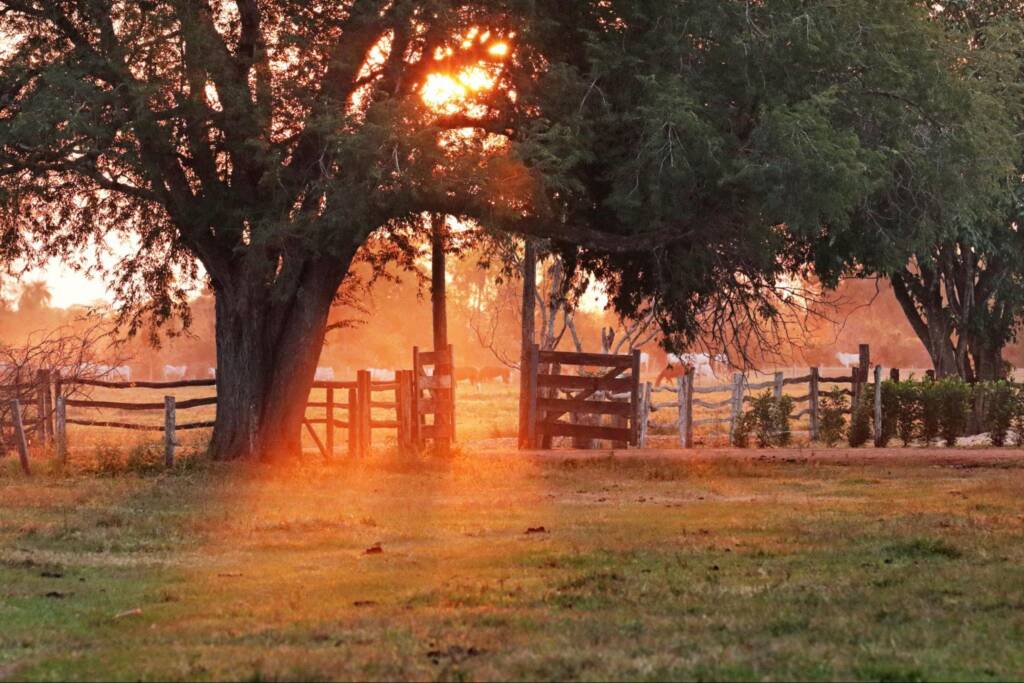
Groups can expect an environment that feels separate from busy routines and crowded commercial areas. Open land and private accommodations create more freedom for worship, fellowship, and personal reflection. A ranch property may also provide flexible spaces that keep most retreat activities in one location. These surroundings support both structured programming and relaxed time between scheduled sessions.
Quiet Ranch Surroundings and Open Space
Ranch properties often provide more outdoor space than hotels or conventional conference facilities. Open acreage can accommodate walks, group conversations, recreation, and personal devotional time. Natural surroundings may include trails, ponds, pastures, fire pits, or shaded seating areas. Participants can use these spaces during breaks without arranging transportation to another location. Larger grounds can also give smaller groups room to meet without interrupting other activities. Leaders should confirm which outdoor areas remain available to guests throughout their stay.
Private Accommodations for the Group
A private rental can give participants a more personal and self-contained retreat experience. The group may occupy an entire property instead of sharing facilities with unrelated travelers. This arrangement makes meals, conversations, and evening gatherings easier to coordinate. Common areas can also provide flexible spaces for informal meetings and recreational activities. Larger properties may include several bedrooms, guesthouses, patios, and shared living areas. Leaders should review occupancy limits and gathering policies before confirming their reservation.
Flexible Spaces for Faith and Fellowship
A ranch setting can support organized sessions alongside spontaneous moments of connection. Groups might begin with morning devotionals, then move outside for discussion or recreation. Comfortable common areas can accommodate prayer groups, Bible studies, and evening conversations. Outdoor spaces may also work for acoustic worship when property policies allow it. Participants can find quieter areas when they need personal prayer or reflection. This flexibility helps leaders create a schedule without making every activity feel overly structured.
Comfortable Lodging for a Shared Stay
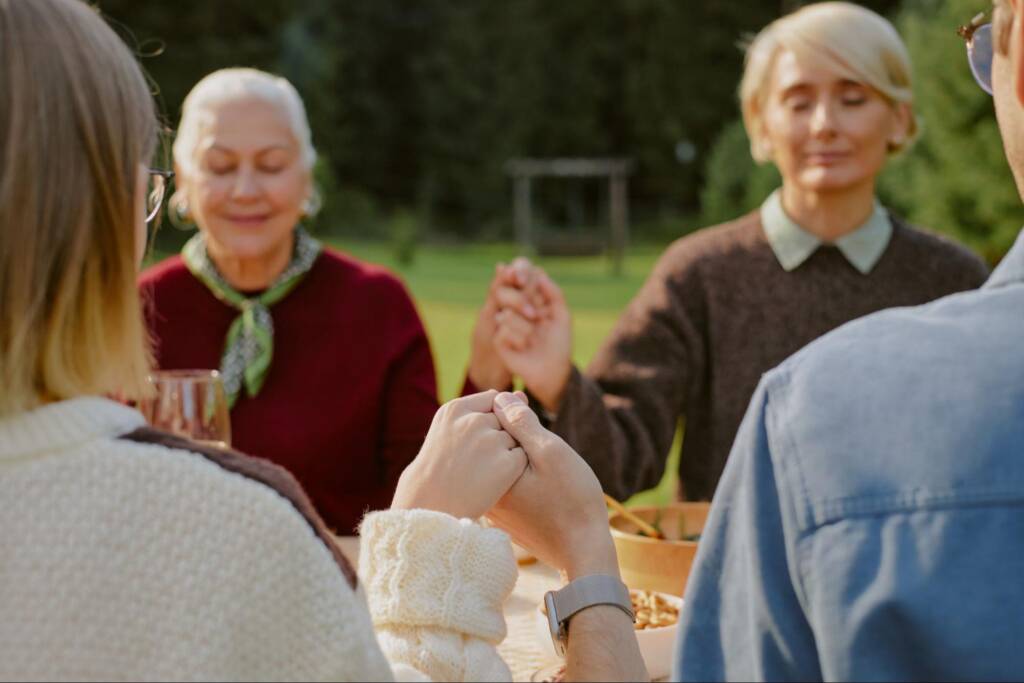
Retreat lodging should offer enough comfort for participants to rest between activities and group sessions. It should create a residential atmosphere that encourages participants to spend more time together. Leaders should compare sleeping capacity with actual room configurations before assigning accommodations.
Bedrooms, Cabins, and Guest Spaces
Large properties may accommodate guests across bedrooms, bunk rooms, cabins, and separate guesthouses. Different lodging options can support couples, families, youth groups, and ministry teams. Keeping participants on one property also simplifies transportation between scheduled activities. However, advertised capacity may include sofa beds, bunks, or other shared sleeping arrangements. Leaders should review bed types, bathroom access, and room layouts before making assignments. Providing room information early helps participants arrive with realistic expectations about their accommodations.
Shared Living Areas for Connection
Living rooms and lounges can become natural gathering places throughout the retreat. Participants can use them for conversations, games, small groups, or relaxed evening fellowship. Large dining tables may also provide convenient spaces for discussions and planning sessions. These residential areas encourage interaction outside formal worship or teaching periods. However, common rooms may not comfortably accommodate every overnight guest at once. Organizers should compare indoor gathering capacity with the number of retreat attendees.
Accessible Areas Across the Property
Ranch resorts can present accessibility considerations that differ from hotels and conference centers. Cabins and outdoor gathering areas may sit some distance from the main house. Gravel paths, stairs, slopes, and uneven surfaces can affect guests with limited mobility. Leaders should ask about accessible bedrooms, bathrooms, entrances, parking, and gathering spaces. They should also consider travel distances between accommodations and scheduled activities. Discussing these needs beforehand helps participants understand which areas will work comfortably for them.
Flexible Areas for Worship and Activities
A retreat program may include worship, teaching, meals, recreation, and quiet reflection each day. Large common areas support gatherings, while open grounds provide additional options when weather permits. Organizers should confirm capacities and restrictions before building their schedule around specific spaces.
Indoor Spaces for Worship and Teaching
A spacious living room or gathering room may work well for smaller worship sessions. Groups can use approved furniture arrangements for Bible studies, presentations, or group discussions. Some destinations also feature barns, halls, or dedicated buildings suitable for larger gatherings. Technology may be more limited than equipment available at a traditional conference facility. Leaders should ask about internet service, screens, speakers, projectors, and available electrical connections. Portable equipment may be necessary when presentations or amplified worship form part of the schedule.
Outdoor Areas for Group Gatherings
Outdoor space can provide groups with options beyond conventional indoor meeting rooms. Covered patios, lawns, fire pits, and open fields may accommodate meals or fellowship activities. Groups can also use suitable areas for discussions, games, worship, or scheduled recreation. Outdoor gatherings allow participants to experience the property while continuing the retreat program. Weather can change planned activities, so organizers should always identify an indoor alternative. Leaders should also confirm noise restrictions and outdoor-use hours before scheduling evening gatherings.
Quiet Spaces for Personal Reflection
Retreat schedules often benefit from time away from larger group activities. A spacious venue can provide natural areas where participants can pray, read, or reflect privately. Porches, trails, benches, and shaded outdoor spaces may offer suitable places for quiet time. Guests should remain within approved areas and avoid working sections of the ranch. Leaders can identify appropriate reflection spaces during arrival or a property orientation. Clear guidance gives participants independence while keeping them in safe, permitted areas.
Flexible Dining for Shared Group Meals
Meal arrangements should provide more flexibility than fixed dining schedules. Many vacation rentals include kitchens where groups can prepare meals according to their program. This setup allows leaders to control menus, serving times, and food expenses more directly. Groups should still plan cooking responsibilities and food storage before arriving.
Kitchens for Preparing Group Meals
A full kitchen can make shared meals part of the overall retreat experience. Participants may prepare breakfast together or divide cooking duties among smaller teams. Larger kitchens can support group meals, although appliance and counter capacity may still be limited. Leaders should check cookware, refrigerators, ovens, dishes, and dining capacity before planning menus. Property policies may also restrict certain cooking methods or large-scale food preparation. Preparing menus and shopping lists beforehand keeps mealtimes organized throughout the stay.
Catering and Prepared Meal Options
Groups can consider catering when they want to spend less time preparing meals. Some properties may recommend nearby caterers, private chefs, or prepared food providers. Others allow outside vendors but require advance approval before services arrive on the property. Rural locations can have fewer delivery choices than properties near commercial areas. Organizers should confirm food options instead of relying on last-minute delivery services. Planning meals early keeps dining needs from interfering with worship and group activities.
Outdoor Recreation Between Retreat Sessions
An outdoor setting can provide recreation without requiring participants to leave the property. Options vary according to the property’s facilities, season, weather, and operating policies. Leaders should select activities that match participants’ ages, abilities, and overall retreat schedule.
Recreational Activities Around the Area
Large properties may offer trails, sports areas, fishing spots, pools, or outdoor games. Some destinations also provide horseback riding or other activities supervised by trained staff. These options can encourage interaction while giving participants a break from structured sessions. Certain experiences may require reservations, waivers, age limits, or additional charges. Seasonal conditions can also affect which activities remain available during the retreat. Leaders should confirm requirements before including specific activities in the published schedule.
Campfires and Relaxed Evening Gatherings
A designated fire pit can provide a comfortable gathering place after scheduled daytime activities. Groups may use this time for conversations, testimonies, acoustic worship, or informal fellowship. Campfires can also offer an inclusive activity for participants with different interests and ages. Property rules may prohibit fires during dry conditions or periods of increased wildfire danger. Guests should follow instructions regarding supervision, firewood, extinguishing fires, and quiet hours. An indoor backup plan keeps evening activities flexible when outdoor conditions change.
Property Support Throughout the Retreat
Groups can expect different levels of assistance depending on the property’s operating model. Some destinations maintain on-site staff, while private rentals may provide support only when requested. Understanding available services helps leaders decide which responsibilities their own team must handle.
Host and Property Manager Assistance
A host or property manager usually provides check-in details and answers property-related questions. That person may live nearby or communicate with guests primarily through phone or messaging. Groups should know whom to contact when maintenance problems or unexpected issues occur. Larger destinations may have dedicated staff for activities, grounds, or guest services. Smaller properties may expect retreat leaders to handle most routine needs independently. Confirming contact procedures beforehand helps organizers respond quickly when assistance becomes necessary.
Guidelines for Staying on a Ranch
Ranch properties may have operating rules that standard vacation rentals rarely require. Guests may need to avoid livestock areas, equipment zones, barns, or private sections. Gates may also need to remain closed to keep animals within designated areas. Some properties restrict interactions with horses or livestock unless staff members supervise participants. Leaders should explain ranch-specific rules before guests begin exploring the grounds independently. Following these guidelines protects participants while respecting the property’s regular operations.
Create a Better Church Retreat Center Experience
The right property gives your group space to connect without unnecessary distractions. Look for accommodations that support worship, fellowship, recreation, and comfortable shared time. A ranch setting can add privacy, open space, and flexibility throughout the stay. Choose a church retreat center that fits your plans and gives everyone room to reconnect.
Get practical ideas for planning a relaxing and memorable group getaway. Explore the Rest Yourself River Ranch blog for more helpful resources.