
Modern living keeps most people inside, surrounded by screens and constant noise. The mind rarely finds space to breathe, leading to stress, anxiety, and emotional fatigue. A simple walk in nature offers a quiet escape from that cycle, bringing balance and peace back to daily life. The scent of grass, sunlight through trees, and the rhythm of walking all work together to restore clarity and calm.
Why Nature Walks Matter for the Mind
Nature walks reconnect people with an essential part of being human—our bond with the outdoors. This connection helps reduce emotional fatigue and renews focus lost in busy environments. According to 2024 clinical studies, spending at least 20 minutes daily in natural surroundings reduces stress-related symptoms. These regular walks act as gentle therapy, helping the mind recharge after exposure to constant screens and deadlines.
The Science Behind Nature and Calm
Scientific research consistently links exposure to natural environments with lower cortisol levels and improved emotional balance. The “attention restoration theory” explains that green spaces allow the brain to rest while gently engaging with surroundings. Walking among trees or near water restores this natural calm without requiring mental effort. Brain scans show increased activity in areas linked to empathy and positive emotions after time outdoors. The human brain evolved alongside nature, so returning to it creates harmony and stability. Each walk reconnects neural pathways that promote relaxation and mood regulation.
The Emotional Reset of Outdoor Time
Time spent outside helps release emotional strain built up through work or digital overload. Natural light increases serotonin, the neurotransmitter responsible for happiness and a steady mood. Fresh air supports deeper breathing, reducing tension and improving oxygen flow to the brain. These biological responses make outdoor walking a natural antidepressant. People who walk regularly report a calmer mindset, improved sleep, and reduced irritability. The emotional lift that follows each walk makes daily challenges easier to manage.
How Regular Nature Walks Reduce Stress
Walking through natural settings interrupts the constant pressure of modern routines. Stress hormones drop as the body synchronizes with slower rhythms found outdoors. Each step in green surroundings signals the nervous system to relax and recover. Over time, consistent exposure to natural calm trains the mind to respond more gently to stressors.
Lowering Cortisol and Anxiety
Cortisol spikes during emotional or physical strain periods, but walking outdoors naturally balances it. According to data from wellness centers and health researchers, even 15 minutes of walking in a park can reduce cortisol by up to 25 percent. The quiet of nature allows the brain to disengage from overstimulation, lowering heart rate and blood pressure. The result is a measurable drop in anxiety and physical tension. With consistency, these benefits extend throughout the day. Nature’s pace teaches the mind how to rest without shutting down completely.
Breathing and Movement as Therapy
Each breath taken during a nature walk serves as a reset for the nervous system. The rhythmic movement and steady breathing combine to calm thoughts naturally. Unlike high-intensity workouts that raise adrenaline, outdoor walking releases stress gently through oxygen flow and sensory stimulation. This rhythm becomes meditative, allowing emotional release and reflection. Over time, the body associates walking with safety and ease, promoting recovery from chronic stress. This moving meditation helps maintain mental clarity even after leaving the trail.
Reconnecting With the Body’s Natural Rhythm
Living in cities often disconnects people from their body’s natural timing. Walking outside realigns that rhythm by syncing the senses with daylight and temperature changes. Exposure to natural light regulates circadian cycles, improving sleep and daytime energy. The repetitive sound of footsteps restores a sense of order to both body and mind. Gradually, this synchronization replaces urgency with calm steadiness. People who walk daily often describe feeling “balanced” even on demanding days.
Nature Walks and Improved Focus
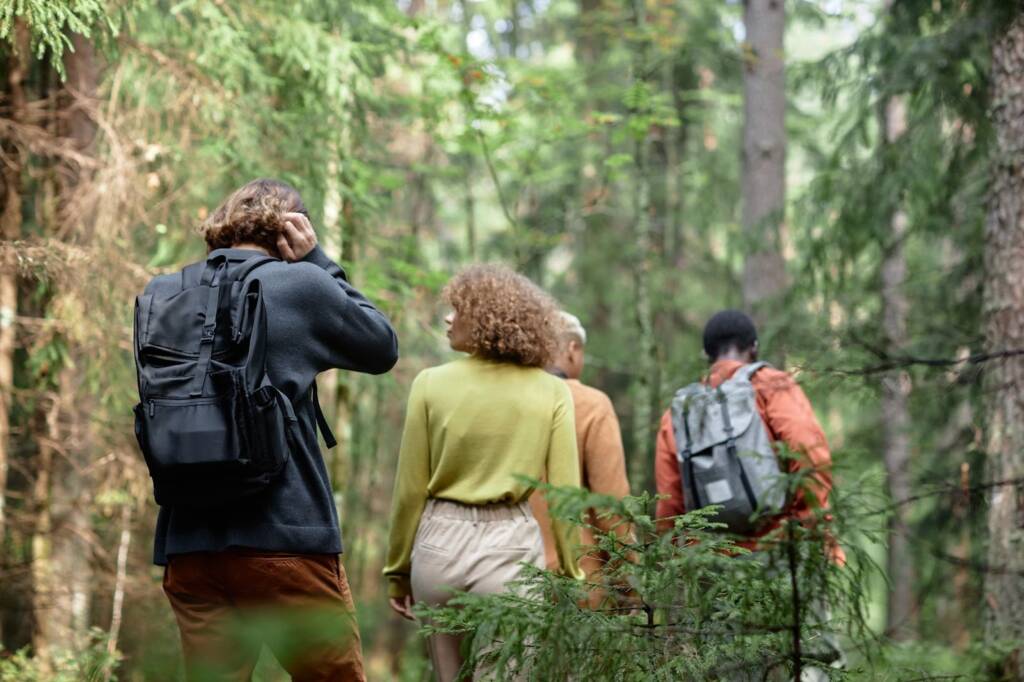
Nature walks sharpen concentration by removing overstimulation and mental clutter. Green spaces provide quiet sensory experiences that gently engage attention without draining it. Research published 2024 in cognitive health journals confirms that short walks improve working memory and creativity. A break outdoors allows the mind to reset and return to tasks with renewed clarity.
Restoring Mental Clarity
Natural environments trigger a form of passive attention that lets the brain recharge. Trees, sky, and open landscapes allow thoughts to flow freely without effort. This mental rest increases problem-solving ability and productivity afterward. Professionals who take nature breaks during the day perform better on focus tests than those who remain indoors. These results show that time outdoors improves clarity as effectively as structured meditation. Each walk serves as both a pause and a restart for the mind.
The Link Between Nature and Mindful Awareness
Nature walks create opportunities for mindfulness by anchoring attention to the present. The crunch of leaves or chirping of birds encourages full sensory engagement. Focusing on these small details interrupts cycles of overthinking and distraction. Over time, mindful walking helps retrain the brain to notice beauty rather than noise. This awareness improves patience, empathy, and creative thought. Regular practice builds an inner calm that lasts beyond the walk itself.
Nature Walks as a Mood Booster
Nature exposure consistently lifts mood through biological and emotional pathways. Walking outdoors stimulates serotonin and dopamine, reducing sadness and irritability. Many therapists recommend nature walks as a complementary treatment for mild depression or anxiety. These walks help the brain regulate emotions naturally and sustainably.
Exposure to Natural Light
Sunlight exposure increases serotonin and stabilizes mood throughout the day. Morning walks are particularly effective because they reset internal clocks and support healthy sleep. Natural light therapy is often prescribed for people affected by seasonal mood changes. Spending time outdoors boosts energy and improves emotional resilience. The positive effects of sunlight extend long after returning indoors. Even short outdoor breaks bring measurable benefits for those with limited daylight exposure.
Walking and Emotional Connection
Walking in nature provides time to process feelings and gain perspective. Many people find clarity while moving through quiet, open spaces. This rhythm encourages reflection and emotional release without judgment. Experiencing awe in nature triggers gratitude, reducing negative thought patterns. As emotional tension fades, confidence and optimism return naturally. Over weeks, these walks build emotional steadiness that persists through daily stress.
The Role of Sensory Healing
Nature engages every sense, grounding people in the present moment. The scent of rain, the texture of bark, and birdsong stimulate relaxation responses in the brain. Sensory input from nature reduces anxiety by quieting internal noise. These sensations also activate areas of the brain responsible for creativity and calm. This process, sometimes called “eco-sensory therapy,” uses nature’s stimuli as gentle emotional medicine. Over time, repeated sensory experiences reinforce lasting mental balance.
Social Benefits of Nature Walks
Spending time outdoors strengthens social ties while improving emotional health. Shared walks encourage authentic conversation that is free from digital distractions. Families, friends, or coworkers walking together develop a deeper understanding and connection. These interactions strengthen community bonds and reduce feelings of isolation.
Walking Groups and Shared Wellness
Community walking programs create safe, inclusive spaces for social connection. People walking side by side develop trust through shared experience and movement. Studies show that group walks reduce loneliness and increase motivation to stay active. Emotional support naturally grows in these relaxed, noncompetitive settings. Participants often report improved self-esteem and belonging after consistent group walks. These connections make well-being a shared journey rather than a solitary effort.
Strengthening Bonds Through Nature Time
Families who walk together create meaningful moments away from screens. Outdoor time opens space for honest communication without distractions. Children benefit from exposure to natural play, while adults unwind from daily pressures. Conversations flow more easily in calm settings, deepening mutual understanding. These shared walks become traditions that strengthen emotional ties. Over time, families and friends who walk together build resilience as a unit.

How Nature Walks Support Mental Healing
Nature walks can aid healing for people managing burnout, trauma, or loss. The consistent rhythm of movement through calm surroundings supports emotional recovery. Unlike therapy confined to a room, outdoor walks engage the whole body in healing. Walking through open ranch landscapes lets nature become both a listener and a source of comfort.
Nature Therapy and Healing
Ecotherapy programs, guided by mental health professionals, integrate walking into therapy sessions. These programs encourage clients to observe nature mindfully while discussing emotions. Research from 2024 mental health studies shows reduced symptoms of depression after regular outdoor therapy. The combination of movement, conversation, and sensory awareness deepens self-connection. Participants often describe it as feeling “emotionally lighter” after sessions. This natural therapy blends physical and psychological recovery into one experience.
Building Resilience Over Time
Resilience grows from repeated exposure to nature’s calm stability. Walking consistently builds emotional strength by teaching the mind to reset under stress. Over time, this practice creates a buffer against anxiety and overthinking. The steady rhythm of steps becomes a symbol of endurance and recovery. People facing emotional strain find comfort in this dependable ritual. Each walk proves that healing continues quietly, one step at a time.
Using Nature Walks for Reflection and Release
Outdoor walks offer time for private reflection and emotional release. The movement allows thoughts to unfold naturally without pressure, and nature’s stillness provides space to process feelings safely. During these quiet walks, some find closure or insight that talking alone cannot achieve. Walking familiar paths often triggers comforting memories and calm introspection. It becomes not just exercise but a practice of renewal and self-understanding.
Why Consistency in Nature Walks Brings Lasting Change
Long-term mental health benefits come from regular exposure to green environments. Frequent walks reinforce emotional balance and cognitive clarity. They retrain the brain to respond calmly to everyday stress. With time, this consistency builds a lasting foundation for peace and focus.
Small Habits, Big Results
A short daily walk is more effective than occasional long outings. Regular exposure to fresh air and natural scenery sustains mood stability. Over time, small, consistent habits create deeper emotional resilience. This repetition strengthens both mental and physical well-being. The benefits compound naturally as walking becomes part of routine self-care. Nature rewards consistency with steady, quiet transformation.
The Long-Term Impact on Mental Health
Ongoing interaction with nature reduces the risk of depression, anxiety, and cognitive decline. People who maintain outdoor routines report better sleep, higher focus, and fewer mood swings. The body thrives with balanced sunlight exposure and improved circulation. This combination supports brain function and emotional regulation. As nature becomes part of daily life, wellness feels effortless. Each step contributes to lifelong clarity and peace.
Reclaim Your Peace Through Nature Walks
The path to better mental health doesn’t require complex plans—it begins outdoors. A single walk can shift perspective, clear mental fog, and restore calm. Nature waits quietly, offering renewal for anyone willing to pause and step outside. Every moment spent in natural light and open air is a step toward lasting peace.
Your path to peace continues beyond this page. Visit the Rest Yourself River Branch blog for grounded wisdom and mindful living ideas.

