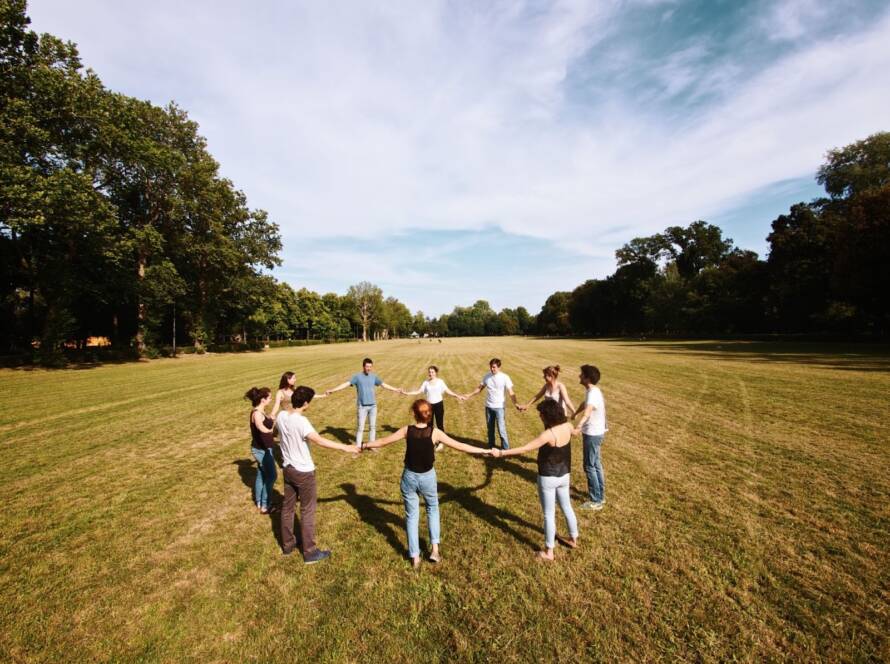
Life today moves faster than the human mind can keep up with. People spend their days surrounded by screens, deadlines, and an endless stream of notifications. This constant pressure leaves little room for quiet reflection or emotional reset. Nature-based wellness retreats now stand as sanctuaries where mindfulness restores the balance that modern living erodes.
Defining Modern Wellness Retreats
Modern wellness retreats are designed to heal body and mind through intentional rest. They have evolved from leisure getaways into spaces for recovery, mindfulness, and holistic health. Guests no longer seek luxury alone, but rather depth, awareness, and authenticity. These retreats create a bridge between personal reflection and the calming power of nature.
From Leisure Escapes to Purposeful Journeys
Wellness retreats once focused on indulgence, but now they focus on intention. Guests travel to find clarity, emotional healing, and spiritual grounding. The change reflects society’s growing desire to disconnect from distractions and reconnect with life’s essentials. Retreats integrate mindfulness, yoga, and eco-living to build meaningful experiences. Each activity invites guests to slow down and rediscover their inner calm. This shift marks a deeper understanding of wellness as a lifestyle, not a luxury.
What Guests Value in Modern Wellness Programs
People today look for experiences that blend authenticity and mindfulness. They choose nature-based retreats because they feel more organic and restorative. The connection to landscapes, local traditions, and sustainability deepens the purpose of each stay. Mindful activities, such as breathwork, journaling, and guided reflection, replace rigid schedules. Guests often leave feeling lighter, mentally clearer, and more self-aware. Wellness retreats now serve as anchors for emotional balance in a world that is increasingly distracted.
Travel as a Form of Healing
Many people travel not for escape but for self-restoration. Studies have shown that changing environments can boost emotional resilience and lower stress levels. Wellness retreats amplify this effect through serene settings and intentional design. Being surrounded by mountains, forests, or beaches helps release anxiety and tension. Each setting offers natural therapy that no digital screen can replicate. These retreats prove that emotional health improves when the body reconnects with nature.
How Nature Supports Healing
Nature’s role in healing goes beyond fresh air or scenic views. The natural world restores mental clarity, reduces fatigue, and balances emotions. Scientific studies have shown that exposure to natural settings can lower cortisol levels and blood pressure. Often, time outdoors becomes the most effective form of stress recovery.
The Science of Nature Therapy
Researchers in 2024 clinical studies confirmed that time spent outdoors improves concentration and happiness. This natural response, known as biophilia, describes humanity’s innate bond with the natural world. Trees, flowing water, and open skies stimulate relaxation responses within minutes. Wellness retreats build on this data by placing guests in quiet, green environments. Activities such as outdoor yoga, meditation, and forest bathing help awaken sensory awareness. These practices restore the body’s rhythm to harmony with the natural world.
Eco-Retreats and Sustainable Design Choices
Eco-retreats combine environmental care with wellness practices. Their architecture seamlessly blends into the landscape, utilizing renewable materials such as bamboo or reclaimed wood. Many use solar power, organic gardens, and water conservation systems. Guests learn that caring for the planet enhances personal healing. Sustainability and mindfulness coexist naturally, teaching respect for inner and outer ecosystems. The result is a retreat experience that nourishes health while protecting the environment.
Outdoor Practices That Restore the Mind
Retreats often include mindfulness activities inspired by the rhythm of nature. Forest bathing invites participants to stroll through wooded areas, observing each sound and scent. Guided hiking teaches breath awareness as you move through scenic trails. Meditation by rivers or under trees deepens the sense of stillness. Nature becomes a living teacher, showing how peace arises in silence. Each practice restores focus and strengthens the connection between body and mind.

How Natural Settings Support Emotional Recovery
Natural environments encourage emotional release and reflection. The sound of rain or the smell of earth creates calm through sensory grounding. Being surrounded by life in its purest form helps dissolve mental clutter. Many guests experience emotional breakthroughs simply by observing the stillness of nature. Retreat programs use this environment to support mental clarity and gratitude. Emotional balance begins to grow naturally within these peaceful landscapes.
Mindfulness Practices in Wellness Retreats
Mindfulness turns ordinary moments into opportunities for healing. It teaches presence, awareness, and nonjudgment toward thoughts and emotions. In wellness retreats, mindfulness is more than meditation—it’s a daily way of living. Every activity becomes a chance to notice, breathe, and reconnect with now.
Understanding Mindful Awareness
Mindfulness means paying full attention to the present without distraction. It encourages acceptance of emotions and thoughts without resistance. Meditation, breathing exercises, and body scans are key techniques. Retreats guide guests through these practices in quiet spaces, away from daily noise. The aim is to create lasting awareness that extends beyond the retreat. Over time, mindfulness becomes a stable foundation for mental well-being.
Structure of a Mindful Day at Retreats
Days at wellness retreats follow rhythms that support calmness. Mornings may begin with guided breathing before breakfast. Workshops often focus on mindful communication or gratitude journaling. Afternoons involve nature walks, meditation, or creative expression. Even meals become mindful rituals, eaten slowly and with gratitude. This structure balances reflection and gentle activity, grounding participants throughout the day.
How Mindfulness Builds Emotional Strength
Mindfulness helps people manage emotions without being overwhelmed. It teaches them to observe feelings as passing experiences rather than identities. Guests learn how to pause before reacting and choose thoughtful responses. This awareness reduces anxiety and builds confidence in handling stress. With consistent practice, mindfulness transforms thought patterns and emotional control. Retreat attendees often describe feeling lighter, more transparent, and more emotionally stable.
The Quiet Power of Silence
Silence plays a central role in many mindfulness programs. Designated silent hours encourage guests to stop talking and start listening inwardly. Without conversation, thoughts become clearer, and inner calm surfaces naturally. Silence helps people reconnect with their intuition and personal truth. It reveals how much energy constant talking consumes. Through silence, guests rediscover the peace hidden beneath daily noise.
Nature and Mindfulness Working Together
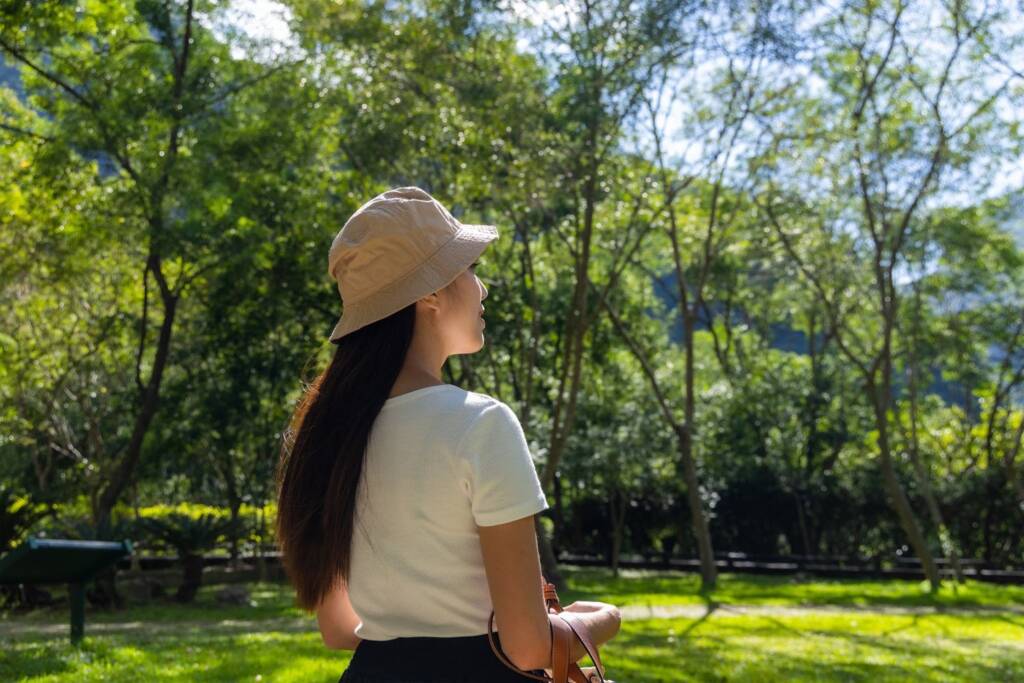
Nature and mindfulness complement each other perfectly. Together, they deepen awareness and nurture lasting peace. This partnership creates a retreat experience that feels both grounding and freeing. Guests discover that healing strengthens when body and mind move with nature’s rhythm.
Immersive Experiences That Leave a Mark
Retreats blending nature and mindfulness often design immersive programs. Guests may practice yoga at sunrise by the ocean or meditate beneath forest canopies. These sensory-rich experiences create lasting emotional memories. The calm achieved in these settings often lingers long after leaving. Participants report deeper sleep, lower stress, and greater focus weeks later. True wellness grows when mindfulness meets the serenity of nature.
Inspiring Wellness Retreat Examples Worldwide
Across continents, retreats integrate mindfulness and nature in creative ways. In Bali, eco-villas offer silent mornings and organic meals. In the Swiss Alps, guests practice reflection surrounded by mountain silence. Costa Rican jungle lodges combine yoga with river meditations. A serene cliffside ranch along the Brazos River in Texas provides a peaceful haven for reflection, blending rustic charm with mindful luxury. Each destination proves that true calm can exist anywhere awareness is cultivated.
Bringing Mindful Habits Back Home
After retreats end, the real journey begins at home. Guests often continue short meditations or mindful walks in local parks. Journaling and slow, intentional eating help maintain the retreat mindset. Some choose digital rest days each week to protect focus. Others create quiet morning routines before checking their phones. These habits extend the benefits of retreats into daily living and strengthen emotional resilience.
Why Wellness Retreats Redefine Self-Care
Wellness retreats are redefining what care truly means in modern life. They show that health extends beyond physical fitness to emotional depth and stillness. More people are trading possessions for experiences that bring clarity and calm. The new definition of wellness values presence, simplicity, and connection to the earth.
From Material Comfort to Mental Clarity
Society’s idea of success is shifting toward inner peace. People realize that mental clarity and happiness matter more than luxury or status. Retreats support this movement by focusing on mindfulness and natural living. They help participants build healthier relationships with time and attention. Each stay reminds guests that well-being grows from within, not from what they own. This understanding marks a cultural turning point toward sustainable happiness.
How Technology Expands Retreat Access
Digital tools are now helping more people experience wellness remotely. Online mindfulness programs and virtual retreats reach those who can’t travel. They replicate guided meditation, breathwork, and stress relief exercises from anywhere. This accessibility increases awareness of holistic living across the world. Technology, when used mindfully, supports the same peace it once disturbed. It connects more people to wellness without disconnecting them from intention.
Learning to Slow Down Again
Retreats teach that stillness is not wasted time but necessary rest. Slowing down sharpens attention and deepens appreciation for simple things. Guests learn that rushing often leads to exhaustion, not progress. The unhurried pace of retreats rewires habits that fuel burnout. This new rhythm helps participants return home refreshed and grounded. In slowing down, they rediscover what living fully truly means.
Find Your Calm Through Nature and Mindfulness
Stillness isn’t something you search for; it’s something you remember. Nature shows how to slow down, and mindfulness teaches how to stay there. Together, they create a quiet strength that steadies the mind and restores the heart. Step away from the noise, breathe with intention, and let the natural world remind you what peace feels like. Your calm has always been waiting; it’s time to return to it.
Read the Rest Yourself River Ranch blog and discover how nature and mindfulness shape true well-being. You will find inspiration for peaceful living.