Daily life often leaves little room for spiritual reflection and meaningful relationships. Many people attend church regularly yet still feel mentally exhausted or emotionally disconnected. A church retreat gives individuals time away from distractions, work pressure, and constant obligations. These gatherings create space for prayer, worship, personal reflection, and honest conversations. Many participants return feeling spiritually refreshed and emotionally supported. Retreat experiences also help people reconnect with their faith community in deeper ways.
What Defines a Church Retreat?
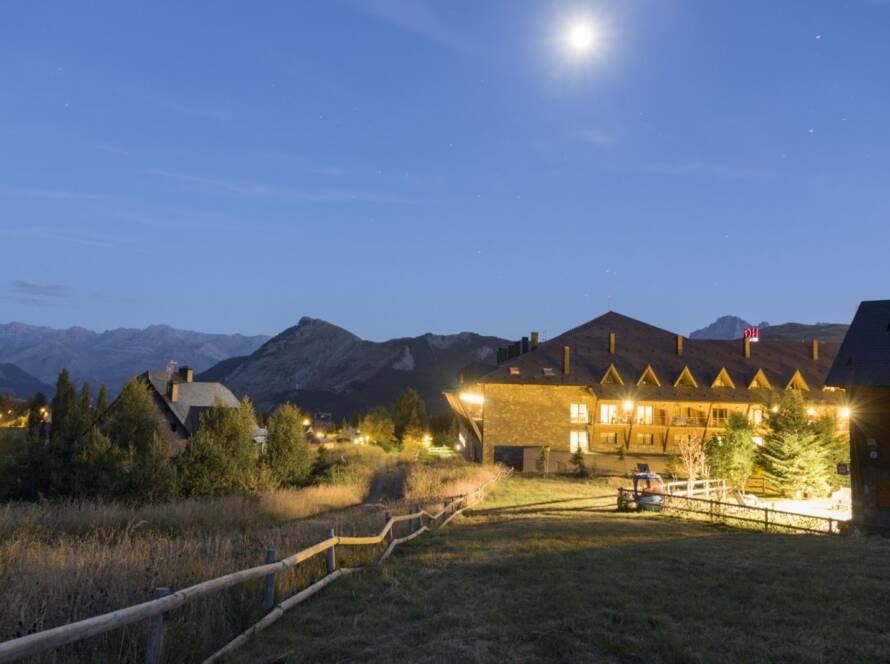
A church retreat is a planned gathering focused on spiritual growth and stronger community relationships. Churches often hold retreats at camps, conference centers, or peaceful outdoor venues away from daily distractions. Most retreat programs include worship services, Bible studies, prayer sessions, and recreational activities. Many participants leave with renewed spiritual focus and stronger relationships within their church community.
Why Churches Hold Retreat Events
Churches organize retreats because weekly services usually provide limited time for personal interaction and reflection. Many church members struggle with stress, emotional fatigue, or disconnected relationships during busy seasons. Retreat gatherings create peaceful environments where people can pray, share experiences, and discuss personal challenges openly. Church leaders also use these events to strengthen trust and encourage healthier church communities. Smaller group settings often help participants feel more comfortable discussing emotional or spiritual struggles.
How Retreats Differ From Services
Church retreats differ from regular worship services because they offer longer, more personal experiences. Traditional church services often follow a structured schedule with limited interaction among attendees. Retreat programs allow participants to spend entire days together through worship, recreation, and discussion groups. These retreat environments usually feel more relaxed because participants temporarily leave behind their daily responsibilities. People often engage more honestly during retreats because distractions remain limited throughout the event. Many attendees develop stronger spiritual habits after spending focused time in supportive communities.
Popular Types of Church Retreats
Church retreats support different groups within the church community through focused programs and activities. Some retreats focus on youth development, while others support couples, ministry leaders, or adult fellowship groups. Churches often customize retreat schedules and teaching topics for each audience or life stage. Different retreat formats create more comfortable spaces for honest discussion and personal growth.
Youth Retreat Programs
Youth retreats help teenagers and young adults build stronger spiritual foundations and healthier friendships. Many churches schedule these retreats during school breaks or holiday weekends to encourage participation. Youth leaders often discuss topics like identity, social pressure, relationships, and future responsibilities during group sessions. Retreat activities usually combine worship services with games, outdoor recreation, and mentorship opportunities. Young participants often feel more comfortable sharing personal struggles outside the classroom or family environments. Positive mentorship during retreats often influences long-term spiritual growth and personal confidence.
Marriage Retreat Experiences
Marriage retreats give couples uninterrupted time to reconnect emotionally, spiritually, and personally. Busy schedules often reduce meaningful communication between spouses during normal daily routines. Churches commonly include sessions about trust, communication, conflict resolution, and shared faith values during these retreats. Couples also spend private time together without work demands or parenting responsibilities interrupting conversations. Many retreat leaders invite experienced counselors or pastors to lead practical discussions on relationships. Stronger communication habits developed during retreats often continue improving marriages after participants return home.

Men’s and Women’s Retreats
Men’s and women’s church retreats create supportive environments for personal growth and honest conversations. Separate retreat settings often help participants discuss sensitive experiences more comfortably and openly. Churches usually address topics like parenting, leadership, emotional health, and spiritual discipline during sessions. Group worship and prayer activities also strengthen emotional support among participants throughout the retreat schedule. Many attendees build lasting friendships through shared experiences and personal testimonies during these gatherings. Churches continue organizing gender-focused retreats because participants often value focused group discussions and encouragement.
Leadership Retreat Gatherings
Leadership retreats support pastors, ministry volunteers, and church staff who are experiencing emotional exhaustion and pressure. Church leadership roles often involve counseling, problem-solving, and organizational responsibilities throughout the year. Retreat programs give ministry teams opportunities to rest, pray, and discuss future church goals together. Many churches include leadership workshops, communication exercises, and planning sessions during these events. Ministry leaders also benefit from conversations with others who understand the church’s challenges and expectations. Healthy leadership teams often create stronger church communities and more effective ministry programs afterward.
Activities During Church Retreats
Most retreat experiences include worship services, discussion groups, outdoor recreation, and personal reflection time. Organizers usually create balanced programs that prevent participants from feeling mentally overwhelmed during activities. This retreat structure helps participants remain engaged while still feeling rested and emotionally refreshed.
Worship and Prayer Sessions
Worship and prayer remain central to most church retreats and schedules. Retreat worship services often feel more personal because participants gather in smaller, quieter settings. Many churches include live music, guided prayer, Scripture readings, and personal testimonies during sessions. Participants often experience deeper emotional reflection because outside distractions remain limited throughout the retreat. Prayer activities may involve small groups, private reflection time, or partner discussions focused on encouragement and support.
Bible Studies and Group Talks
Bible studies help retreat participants explore spiritual topics through discussion, reflection, and shared experiences. Church leaders often choose subjects related to everyday struggles, relationships, and personal growth. Smaller discussion groups encourage honesty because participants usually feel safer sharing personal experiences in supportive settings. Group conversations also help individuals understand different perspectives while building stronger emotional connections with others. Many churches use retreat discussions to encourage accountability and long-term spiritual development among members.
Recreation and Outdoor Activities
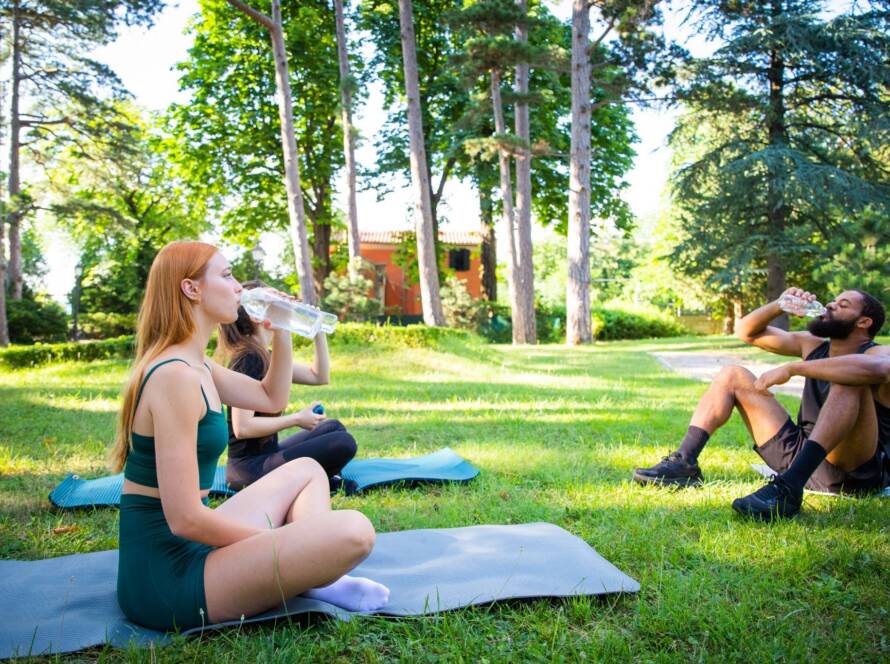
Recreational activities help participants retreat and relax while building stronger relationships with others attending the event. Many church retreat centers offer hiking trails, sports, campfires, and team-building games throughout the schedule. Outdoor activities create a balance between serious spiritual discussions and enjoyable social interaction during retreat weekends. Shared experiences also reduce social tension and encourage participants to communicate more naturally with unfamiliar people. Many attendees feel emotionally refreshed after spending time outdoors in calm and supportive environments.
Quiet Reflection and Rest
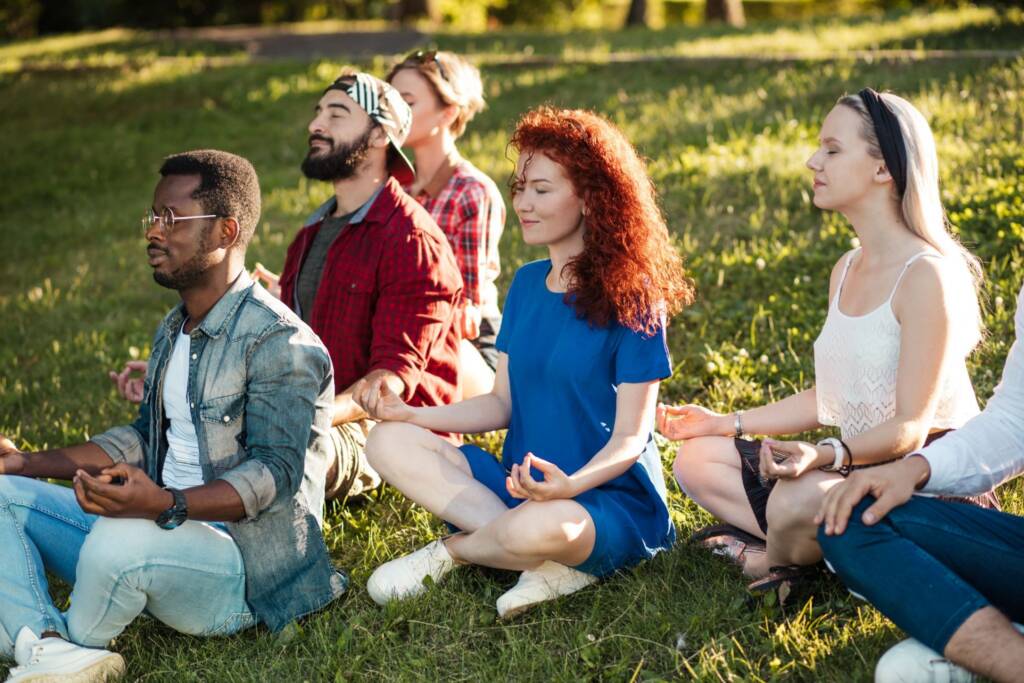
Quiet reflection gives retreat participants time for prayer, journaling, reading, and personal spiritual evaluation. Many retreat organizers schedule free time because constant activity can reduce emotional and mental focus. Peaceful retreat environments often help participants process important conversations and spiritual lessons more thoughtfully. People commonly discover personal clarity after spending uninterrupted time away from digital distractions and busy schedules. Retreat leaders understand that emotional rest supports healthier decision-making and stronger spiritual awareness.
Benefits of Church Retreat Attendance
Retreat environments provide calm spaces where individuals can reflect, reconnect, and recharge spiritually. Time away from daily distractions often helps participants focus more intentionally on personal growth and faith. Many people return home feeling calmer, more motivated, and more connected to their communities.
Spiritual Renewal and Clarity
Church retreats help people slow down and focus more intentionally on spiritual priorities and personal growth. Daily responsibilities often leave little time for prayer, reflection, or meaningful spiritual conversations during regular routines. Retreat worship services and quiet environments create opportunities for deeper emotional awareness and stronger faith connections. Many participants use retreat experiences to evaluate habits, relationships, and personal decisions more honestly. Focused spiritual reflection often helps individuals regain motivation and emotional balance after stressful periods. People frequently return home feeling calmer, spiritually refreshed, and more connected to their faith community.
Stronger Church Relationships
Retreat experiences strengthen church relationships because participants spend extended time together in supportive settings. Weekly church services rarely provide enough time for meaningful conversations and personal connections between members. Retreat discussions often encourage honesty, trust, and emotional support among participants facing similar struggles. New church members also benefit because retreat activities help them meet others in relaxed environments. Stronger friendships developed during retreats often increase volunteer involvement and long-term church participation afterward. Churches with connected communities often create healthier support systems for individuals and families.
Reduced Mental and Emotional Stress
Church retreats provide temporary relief from work pressure, digital distractions, and demanding personal responsibilities. Calm retreat settings often help participants rest mentally while improving emotional focus and overall well-being. Many attendees sleep better and feel less anxious during retreat weekends because schedules remain simpler and more peaceful. Outdoor environments also support emotional recovery because nature often encourages relaxation and thoughtful reflection. Churches recognize growing mental fatigue among adults, teenagers, and ministry leaders across many communities today. Retreat programs offer valuable opportunities for rest, reflection, and healthier emotional balance during stressful seasons.
Clearer Purpose and Direction
Many people attend church retreats while facing uncertainty about relationships, goals, or spiritual direction. Retreat teaching sessions often address identity, purpose, responsibility, and personal decision-making through practical discussions. Participants also gain insight through conversations with pastors, mentors, and peers who share similar experiences. Time away from normal routines helps individuals evaluate priorities without constant outside distractions affecting their focus. Many attendees leave retreat gatherings with stronger motivation and clearer plans for personal growth and future decisions.
Reconnect Through a Church Retreat
A church retreat creates space for people to pause, reflect, and reconnect with what matters most in a peaceful retreat venue. Many individuals spend years managing responsibilities without addressing spiritual and emotional exhaustion. Time away from distractions at a retreat center, camp, or conference venue often leads to clearer thinking and stronger relationships. Churches that invest in meaningful retreat experiences often build more connected and supportive communities. A well-chosen church retreat venue can create the right environment for lasting spiritual and personal growth.
Visit the Rest Yourself River Ranch blog for fresh perspectives on church retreats, group experiences, and meaningful connections.