
Modern life makes it easy to spend days moving from one indoor space to another—home, car, office, store, screen. Even if you love the outdoors, it can start to feel like something you “plan” instead of something you live in, especially when schedules get tight and energy runs low. That’s why nature walks are such a powerful reset. They don’t require expensive gear, a full day off, or a perfect level of fitness. They’re simple, flexible, and accessible—yet they still give you that grounded feeling that comes from breathing fresh air, noticing seasons change, and moving your body in a more natural rhythm.
Nature Walks Make “Getting Outside” Feel Easy Again
One reason people drift away from the outdoors is that it starts to feel complicated—like you need time, planning, and a perfect destination to make it worthwhile. Nature walks take that pressure off because they can be short, local, and spontaneous, which makes them easier to repeat consistently. Instead of waiting for a weekend trip or a big hike, you can step outside and get the benefits right away, even if it’s just a twenty-minute loop. Over time, that simplicity builds a stronger relationship with the outdoors, making it part of your normal routine rather than something reserved for special occasions.
Small Walks Still Count
You don’t need miles of trail to reconnect—consistency matters more than distance.
Less Planning Means More Follow-Through
When it’s easy to start, you’re more likely to keep coming back.
How Nature Walks Help You Notice What You’ve Been Missing
Nature walks invite you to slow down and actually see your surroundings again—cloud movement, tree shapes, bird sounds, wind patterns, and the subtle shifts that happen between seasons. When you’re rushing through life, your brain tends to filter out details to conserve energy, which can make the world feel flat or repetitive. Walking in nature gently reverses that by giving your attention something soothing and non-urgent to focus on, helping you feel more present. This kind of noticing is part of what makes nature feel restorative, because it turns your environment from background noise into something you participate in.
Attention Is a Form of Connection
The more you notice, the more “outside” feels alive and personal again.
Nature Gives Your Mind a Softer Focus
Gentle sensory input can feel calming compared to screens and constant alerts.
Nature Walks Support Mood and Motivation
A significant barrier to exercise is the feeling that it has to be intense to “count,” which can turn movement into a chore. Nature walks are different because they’re naturally motivating—fresh air, open space, and pleasant scenery make the experience rewarding even at a slow pace. That means you’re more likely to do it on a low-energy day, which is exactly when you need support the most. Over time, nature walks can become a reliable mood anchor, not because they’re extreme, but because they’re sustainable and gentle enough to fit into real life.
Low Pressure Makes It Repeatable
A walk that feels good is easier to maintain than a routine you dread.
Movement Plus Outdoors Feels Different
Even light activity can feel more energizing when it happens in fresh air.
How Nature Walks Can Be a Reset
When your day is packed with notifications, noise, and constant decision-making, your nervous system can stay stuck in a high-alert state. Nature walks help break that cycle by giving your brain a different environment—one with fewer demands and a more natural rhythm. Instead of processing emails, traffic, or crowded spaces, you’re processing trees, sky, and the steady pattern of your own footsteps. That shift can make your body feel less tense, and your mind feel less crowded, which is why even a short walk outside can feel like a reset.
Your Nervous System Needs Downtime
Natural settings can feel quieter to the brain even when they aren’t completely silent.
Walking Creates a Calming Rhythm
The steady pace of movement can help your thoughts settle without forcing anything.
Nature Walks Create a Sense of Connection With the Outdoors
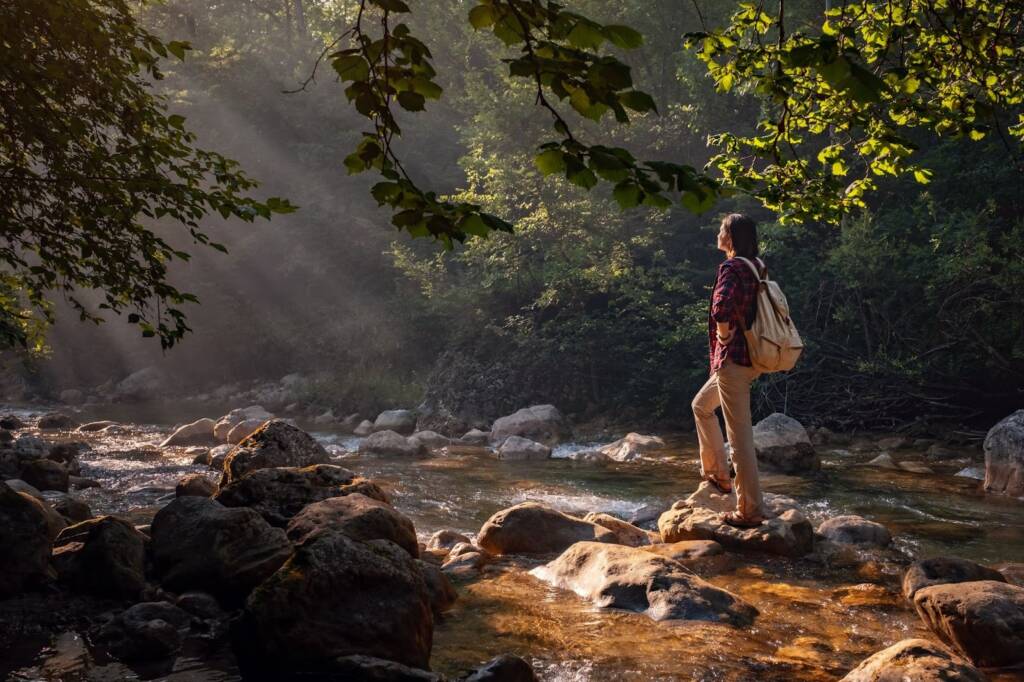
Many adults lose the feeling of being “part of nature” and start seeing the outdoors as something separate—something you visit rather than something you belong to. Nature walks help rebuild that relationship through repeated, simple exposure: you start recognizing familiar trees, noticing how light changes in the same spot, and remembering what different seasons smell like. That familiarity creates comfort, and comfort creates connection. Over time, nature walks can shift your mindset from “I need to get outside more” to “I’m already part of this place,” one of the most grounding feelings you can cultivate.
Familiar Trails Feel Like Home
Revisiting the same route can deepen your connection more than constantly searching for a new destination.
Seasonal Changes Become Personal
When you walk often, you start tracking nature’s timeline in a way that feels meaningful.
Making Nature Walks Part of Your Routine Without Overthinking
The easiest way to make nature walks a habit is to remove friction: pick a nearby route, set a realistic time goal, and let it be imperfect. You don’t have to walk the same distance every time, and you don’t need to wait for ideal weather—part of reconnecting is learning to be outside in different conditions. Some days can be slow and quiet, other days can be brisk, and both still “count.” When you treat nature walks as a simple practice instead of a performance, they become easier to repeat and more likely to stick.
Choose Convenience Over Perfection
A close trail you’ll actually use is better than a beautiful spot you rarely reach.
Consistency Beats Intensity
Regular short walks often yield more benefits than occasional long outings.
Nature Walks Can Be a Social Experience Without Pressure
If you associate outdoor time with solitude, you might overlook how meaningful nature walks can be with a friend, partner, or family member. Walking side by side often makes conversation feel more natural because there’s no pressure to maintain constant eye contact, and the scenery gives your mind a break, making it easier to talk. At the same time, nature keeps the vibe relaxed, so you can connect without the intensity of a formal meetup. Nature walks can also be a gentle way to spend time with kids, helping them explore without needing a big agenda.
Side-By-Side Conversation Feels Easier
Walking can make it simpler to talk and listen without feeling “on the spot.”
Shared Observation Builds Connection
Noticing the same bird, tree, or sunset together can create quiet moments of closeness.
How Nature Walks Help You Feel More Grounded in Your Body
A lot of people live “from the neck up,” especially when work and life revolve around screens and mental tasks. Nature walks bring you back into your body gently through movement, breath, and sensory awareness. You feel the ground under your feet, the temperature on your skin, and the pace of your steps, which can be surprisingly stabilizing when you feel scattered. Because walking is natural and low-impact, it doesn’t usually trigger the resistance that harder workouts can, so you can reconnect physically without feeling overwhelmed.
Sensory Awareness Anchors You
Small sensations like breeze, sunlight, and footfall can help you feel present quickly.
Gentle Movement Is Still Powerful
Walking supports circulation and energy without demanding a high fitness level.
Nature Walks Encourage Mindful Moments Without Formal Meditation
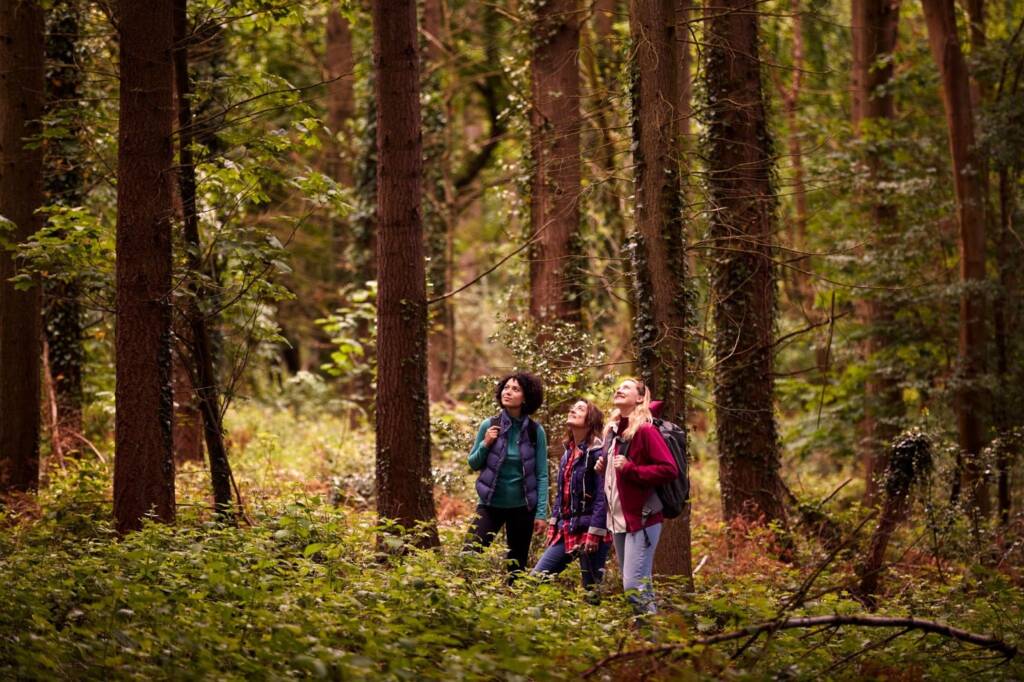
Not everyone enjoys sitting still to meditate, and for some people, quiet sitting can actually make the mind feel louder. Nature walks offer a moving form of mindfulness that feels more natural: you can focus on sounds, notice your breathing, or pick a visual detail like leaves or waves and let your attention rest there. You don’t have to “clear your mind” to benefit—simply returning attention to what’s around you can create calm, which is one reason why nature walks feel so approachable: they offer the same kind of mental relief many people seek in mindfulness practices, but in a way that feels easy to start.
Mindfulness Can Be Movement-Based
Paying attention while walking can be just as grounding as sitting meditation for many people.
Nature Gives You Something to Focus On
Natural details create gentle attention anchors without effort or force.
Simple Nature Walks Are Often the Best Way to Start Reconnecting
If you’ve been feeling disconnected from the outdoors, the goal isn’t to overhaul your life overnight—it’s to start with something small that feels doable. Nature walks are ideal for that because they’re flexible, low-cost, and adaptable to almost any schedule or fitness level. They help you notice your environment again, settle your nervous system, and rebuild a sense of belonging with the natural world, one walk at a time. When you keep it simple and repeatable, nature walks stop being “another thing you should do” and become a natural part of how you care for yourself and stay connected to the world outside your door.
Visit our Rest Yourself River Ranch blog for more simple outdoor wellness ideas, including nature walks, mindful moments, and ways to reconnect with the landscape.