Planning a wedding in Texas offers exciting possibilities, but decisions can quickly feel overwhelming. From scenic countryside venues to elegant city celebrations, couples have plenty of options. Choosing the right location, vendors, and wedding style takes careful thought and practical planning. Weather, guest comfort, and local marriage requirements also influence how the celebration comes together. With a thoughtful approach, couples can create a memorable wedding that reflects their personalities and priorities.
Choosing the Perfect Texas Wedding Venue
Texas offers wedding venues that suit different styles, guest counts, and budgets. Couples can choose from countryside properties, historic buildings, modern event spaces, and waterfront locations. Each setting creates a different atmosphere and comes with specific planning considerations. Understanding these differences helps couples select a venue that supports their wedding vision.
Rustic Barns and Countryside Wedding Venues
Rustic wedding venues appeal to couples who appreciate natural surroundings and relaxed celebrations. Many countryside properties feature wooden barns, open fields, shaded gardens, and spacious outdoor ceremony areas. A ranch resort may also provide private event spaces and scenic surroundings for extended celebrations. However, couples should confirm whether the property offers climate control, accessible restrooms, and adequate parking. Some rural venues also require outside catering, additional rentals, or guest transportation. Reviewing these details early helps couples avoid unexpected expenses and last-minute logistical problems.
Elegant Ballrooms and Historic Wedding Venues
Ballrooms and historic properties provide a sophisticated setting for traditional wedding celebrations: many feature architectural details, decorative lighting, spacious reception areas, and designated rooms for wedding preparations. Hotels and established event venues may also offer catering packages and experienced event coordinators. These services simplify planning because couples can arrange several wedding details through one provider. Before booking, ask about guest capacity, decoration restrictions, rental hours, and available ceremony spaces. Understanding the venue’s policies helps couples plan a celebration that fits their expectations.
Outdoor Gardens and Waterfront Wedding Settings
Outdoor wedding venues create an inviting atmosphere through landscaping, open views, and natural lighting. Gardens, lakeside properties, and waterfront spaces work especially well for intimate ceremonies and daytime celebrations. However, outdoor weddings require additional planning because weather conditions can change unexpectedly throughout the year. Couples should ask about covered ceremony areas, indoor alternatives, and appropriate cooling or heating arrangements. They should also consider accessibility, restroom facilities, lighting, and transportation between ceremony and reception spaces. A reliable weather backup allows everyone to enjoy the celebration without unnecessary disruptions.
Selecting the Best Season for Your Wedding
Wedding dates affect venue availability, guest comfort, photo conditions, and overall costs. Texas has regional weather differences that couples should consider when choosing a season. Summer temperatures can become intense, while spring and fall often offer more comfortable conditions. Understanding seasonal advantages helps couples choose a date that suits their preferred celebration style.
Spring Weddings and Seasonal Considerations
Spring attracts couples who prefer mild temperatures, colorful landscapes, and outdoor wedding ceremonies. Wildflowers and fresh greenery can create attractive backgrounds for portraits and reception decorations. However, spring weather may bring thunderstorms, strong winds, and sudden temperature changes. Outdoor venues should provide suitable shelter and clear procedures for moving celebrations indoors. Couples should also discuss seasonal flower availability with florists before choosing their arrangements. Early reservations can help secure popular venues and experienced wedding professionals during busy spring weekends.
Summer Weddings and Guest Comfort
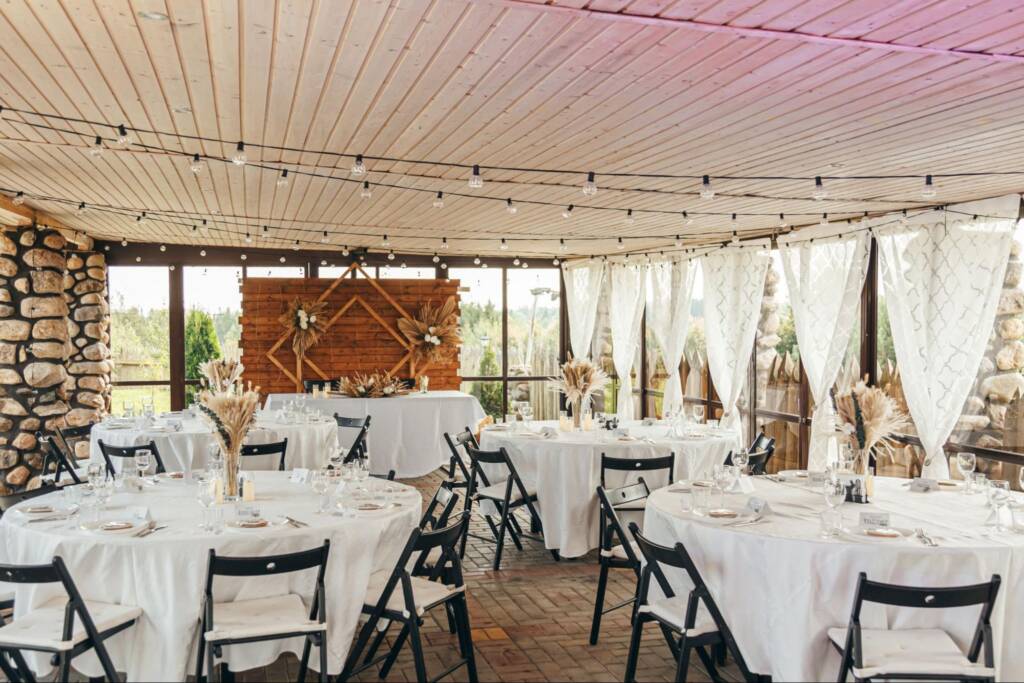
Summer weddings offer extended daylight and opportunities for evening celebrations under the stars. However, high temperatures and humidity can make outdoor ceremonies uncomfortable, especially in the afternoon. Indoor venues with dependable air conditioning often provide a more comfortable environment for guests. Couples planning outdoor celebrations should consider shaded seating, water stations, and shorter ceremony schedules. Lightweight wedding attire and heat-resistant floral arrangements can also improve comfort throughout the event. Scheduling portraits around sunset may provide softer lighting while reducing exposure to intense midday heat.
Fall and Winter Wedding Opportunities
Fall weddings attract couples seeking pleasant weather and rich seasonal colors. Winter offers opportunities for elegant indoor receptions, festive decorations, and potentially greater scheduling flexibility. However, temperatures vary by region, and sudden cold fronts can affect outdoor events. Couples should consider indoor heating, weather contingency plans, and comfortable transportation between event locations. Holiday weekends may also increase travel expenses and create scheduling conflicts for guests. Careful date selection helps couples balance seasonal preferences with practical considerations and guest availability.
Understanding Texas Marriage License Rules
A wedding celebration also involves legal requirements that couples must complete before their ceremony. Texas marriage laws establish specific procedures for obtaining and using a marriage license. These requirements differ from venue contracts and religious or personal ceremony traditions. Reviewing the legal process early helps couples avoid unnecessary complications near their wedding date.
Applying for a Texas Marriage License
Couples generally apply for a marriage license through a Texas county clerk’s office. Both applicants typically appear in person and provide acceptable identification and required personal information. Standard marriage licenses generally remain valid for 90 days after issuance. Texas also generally requires a 72-hour waiting period before the marriage ceremony. Certain exceptions apply, including qualifying military circumstances and approved premarital education courses. Couples should verify current requirements, application procedures, and fees with their chosen county clerk.
Choosing an Authorized Wedding Officiant
Texas law identifies who may legally perform marriage ceremonies in the state. Authorized officiants include certain religious officials and judges who qualify under applicable law. Couples should confirm their officiant’s eligibility before finalizing ceremony arrangements or paying deposits. Religious ceremonies may include additional requirements established by the couple’s chosen faith community. After the ceremony, the completed marriage license must reach the issuing county clerk within the required timeframe. Discussing these responsibilities with the officiant helps prevent delays in recording the marriage.
Building a Realistic Wedding Budget
Wedding expenses can increase quickly when couples overlook smaller services and additional fees. Venue rentals, catering, photography, attire, and entertainment often account for substantial spending. A practical budget should reflect financial priorities rather than social media-driven expectations. Establishing spending limits early helps couples make confident decisions throughout the planning process.
Prioritizing Major Wedding Expenses
Start by determining the total amount available for the wedding and related celebrations. Next, identify which experiences matter most, such as photography, food quality, or venue atmosphere. Couples who value memorable dining may allocate more money toward catering and guest service. Others may prefer a smaller venue, leaving more funds for photography or entertainment. Setting priorities helps you compare vendor proposals and decide where compromises make sense. It also reduces pressure to purchase services that contribute little to the overall experience.
Accounting for Hidden Wedding Costs
Wedding budgets should include expenses beyond advertised venue and vendor prices. Common additional charges include service fees, taxes, gratuities, delivery costs, and equipment rentals. Some venues also charge for extended event hours, security personnel, or additional cleaning services. Couples should request detailed written estimates before signing contracts or submitting nonrefundable deposits. Setting aside a contingency fund provides flexibility when unexpected expenses arise during planning. Reviewing payment schedules also helps couples manage cash flow without creating unnecessary financial stress.
Saving Money Without Sacrificing Quality
Thoughtful spending can create a beautiful celebration without requiring an excessive wedding budget. Choosing a weekday or less popular date may offer more flexible pricing. Smaller guest lists can also reduce catering, seating, invitation, and transportation expenses. Couples can consider seasonal flowers, simpler decorations, and venues that offer multiple services. However, lower prices should not outweigh reliability, professional experience, or clear contractual terms. Comparing full service packages helps couples find real savings while protecting the quality of their celebration.
Hiring Reliable Texas Wedding Vendors
Experienced wedding professionals help turn planning decisions into a coordinated celebration. Photographers, caterers, florists, entertainers, and planners each handle important parts of the event. Availability and service packages vary widely by wedding market. Choosing dependable vendors takes research, clear communication, and close attention to contract details.
Finding the Right Wedding Photographer
Wedding photographs preserve moments that couples may otherwise miss during their busy celebration. A photographer’s portfolio should demonstrate consistent quality across ceremonies, receptions, and different lighting conditions. Couples should review complete wedding galleries rather than relying exclusively on selected social media highlights. Discussing photography preferences clarifies expectations for portraits, candid moments, and family group photographs. Contracts should explain coverage hours, image delivery timelines, editing services, and usage rights. Couples should also ask about backup equipment and arrangements for unexpected photographer emergencies.
Choosing Catering and Reception Services
Food and beverage service strongly influence how guests experience a wedding reception. Catering options range from formal plated dinners to buffets and casual regional menus. Couples should select a service style that suits their guest count and reception schedule. Tastings let you evaluate food quality, presentation, and available menu adjustments. Caterers should also explain staffing requirements, dietary accommodations, cleanup responsibilities, and beverage service policies. Confirming these details prevents confusion between the catering team, venue staff, and wedding coordinator.
Coordinating Flowers, Music, and Decorations
Floral arrangements, entertainment, and decorations shape the celebration’s overall atmosphere. Couples should share their preferred colors, design references, and venue requirements with potential vendors. Florists can recommend seasonal alternatives when specific flowers are expensive or hard to source. Musicians and DJs should understand the ceremony timeline, reception announcements, and preferred entertainment style. Decoration providers should clarify installation schedules, rental conditions, and who handles post-event removal. Coordinating these services early helps create a consistent experience without unnecessary scheduling conflicts.
Planning a Comfortable Wedding Guest Experience
A memorable wedding considers how guests move through and experience the celebration. Travel arrangements, overnight stays, seating, and accessibility can influence their overall comfort. Larger celebrations often require more detailed coordination between venues, transportation providers, and hospitality services. Addressing these needs early allows guests to focus on celebrating with the couple.
Arranging Guest Travel and Accommodations
Destination-style celebrations and rural venues may require guests to travel considerable distances. Couples should provide clear venue addresses, parking instructions, and nearby accommodations for overnight visitors. A vacation rental can offer a practical option for families or groups traveling together. Hotel room blocks can be a convenient alternative, especially for guests who prefer individual rooms. Couples should review booking deadlines, cancellation policies, and potential financial commitments before recommending lodging options. Sharing travel details through wedding websites helps guests prepare without repeatedly contacting the couple.
Creating a Practical Wedding Day Schedule
A well-organized wedding timeline keeps the ceremony, reception, and vendor activities running smoothly. Couples should allow realistic preparation time for hair, makeup, dressing, and photography sessions. Allow enough time for transportation between locations, especially if traffic or parking is a challenge. The reception schedule should account for dinner service, speeches, entertainment, and traditional wedding activities. Sharing the timeline with vendors and key family members helps everyone understand their responsibilities. Building in reasonable flexibility prevents minor delays from derailing the entire celebration.
Personalizing Your Texas Wedding Celebration
A meaningful wedding reflects the couple’s relationship rather than following every popular wedding trend. Personal touches can show up in ceremony traditions, music, food, and reception activities. Texas celebrations also offer opportunities to incorporate regional influences without making the event feel overly themed. Thoughtful details help couples create a genuine, welcoming experience.
Incorporating Local Wedding Traditions
Regional traditions can add character when they connect naturally with the couple’s preferences. Some couples include barbecue menus, country music, or traditional Western details during their receptions. Others prefer subtle references through locally inspired food, signature drinks, or venue decorations. Family customs and cultural traditions may also influence ceremony readings, music, and reception activities. Couples should choose meaningful elements rather than incorporating traditions simply because guests might expect them. A balanced approach creates a distinctive celebration while keeping the couple’s relationship at its center.
Designing a Meaningful Wedding Ceremony
Wedding ceremonies provide opportunities to express personal values and celebrate important relationships. Couples can customize readings, music, vows, and symbolic rituals to reflect their experiences. Family members or close friends may participate through readings or other appropriate ceremonial roles. The officiant can help organize these elements into a clear and comfortable ceremony structure. Rehearsals allow participants to understand procession timing, seating arrangements, and their individual responsibilities. Thoughtful preparation helps the ceremony feel personal without becoming unnecessarily long or complicated.
Bring Your Texas Wedding Vision to Life
Your ideal wedding begins with thoughtful choices and a clear sense of what matters most. Explore venues that match your vision, connect with trusted professionals, and reserve your preferred date early. The right decisions today create more room to enjoy the moments that matter on your wedding day. Start planning now and bring your celebration closer to reality.
Your dream wedding starts with the right inspiration. Explore the Rest Yourself River Ranch blog for fresh ideas, planning tips, and ways to create a memorable celebration.