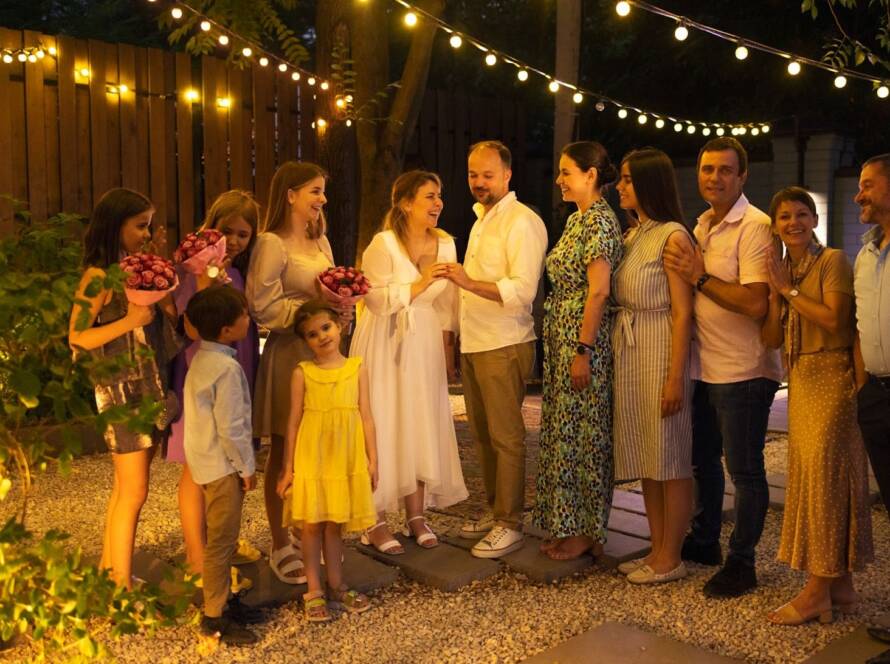
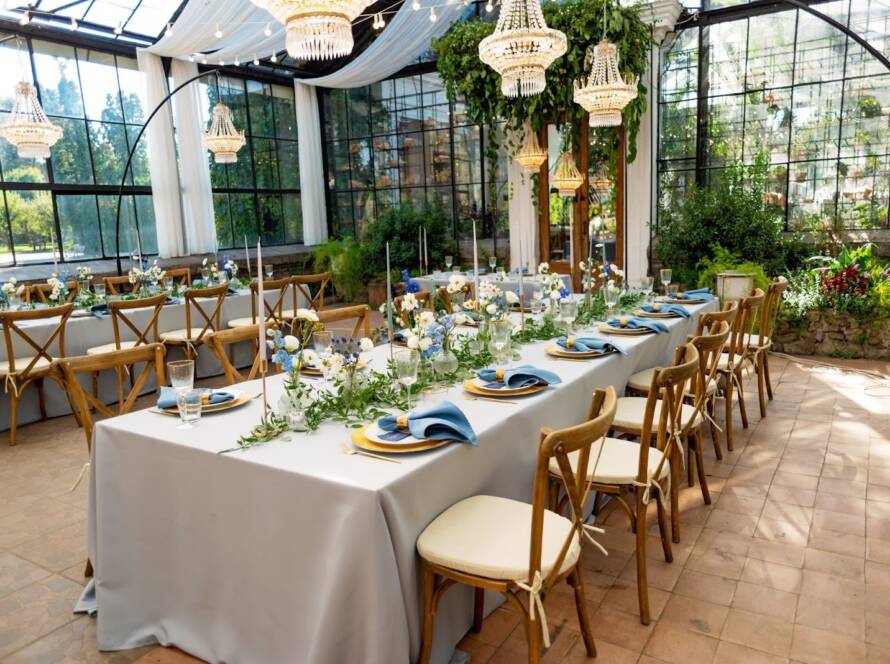
A well-designed event space does more than provide four walls and a few tables—it quietly shapes how guests feel from the moment they arrive. The layout influences how easy it is to navigate the room, meet new people, find a seat, or simply relax without feeling crowded. When the flow is intuitive, guests barely notice the design; they just remember how comfortable and fun the event felt. When the layout is confusing, tight, or awkward, the experience can feel strained, no matter how great the food or entertainment is. Understanding how event space layout affects guest experience helps you make more intelligent choices that support connection, comfort, and memorable moments.
How Event Space Flow Shapes First Impressions
The first few minutes inside an event space set the tone for the entire gathering. Guests notice right away whether they can see where to go, where to check in, and where the main action is happening. A straightforward entry path with an obvious focal point—such as a welcome table, bar, or stage—helps orient people and reduces that uncomfortable “where am I supposed to stand?” feeling. When the space naturally guides guests forward instead of trapping them in bottlenecks near the door, they relax faster and feel more confident exploring the room. That smooth arrival experience makes your event feel organized and intentional from the start.
Event Space Seating Layouts and Social Interaction
The way you arrange seating in an event space directly affects how easily guests connect with one another. Tight rows of chairs facing a stage may work well for presentations but discourage casual conversation, while clusters of small tables invite guests to form smaller groups and chat. Circular or semi-circular seating can feel more inclusive because people are not forced to stare at the backs of heads. You can also mix seating types—lounge areas, high-tops, and dining tables—to give guests options based on their comfort and energy level. When seating is thoughtfully planned, the event space supports both structured programming and organic socializing.
Encouraging Natural Conversation
Layouts that put guests at comfortable distances make it easier to talk without shouting. Smaller groups around each table help new connections feel less intimidating.
Avoiding Isolated Corners
If seating is tucked too far from the main activity, those areas can feel forgotten. Keeping tables within sight of key features keeps guests engaged with the event.
How Event Space Circulation Influences Comfort and Accessibility
Circulation—the paths guests use to move through an event space—plays a huge role in how comfortable the experience feels. Clear, unobstructed walkways help people reach restrooms, bars, food stations, and exits without squeezing past chairs or bumping into other guests. Wide pathways reduce congestion and make it easier for servers, staff, and guests with mobility devices to move around. The goal is to avoid creating choke points near doors, buffets, or popular gathering spots, where lines and crowding can quickly build. When circulation is smooth, the event space feels calm and well planned, even when the room is full.
Clear Paths To Key Destinations
Guests should be able to spot and reach important areas without having to guess. Simple sightlines and obvious routes make the space feel intuitive and user-friendly.
Inclusive Movement For Every Guest
Ramps, wider aisles, and accessible seating positions ensure everyone can participate comfortably. Thoughtful circulation shows respect for all guests’ needs.
Event Space Zones For Food, Drink, and Entertainment
Breaking the event space into zones for food, drink, and entertainment helps organize the experience and prevent crowding. Placing the bar and food stations too close together can create a single busy hub that feels overwhelming, while spreading them thoughtfully encourages guests to circulate. For example, a bar near the center of the room, food at one side, and entertainment at the other encourage movement without chaos. These zones also help set expectations: guests know where to go for quieter conversation, dancing, or grabbing a quick snack. When each element has a clear place, the event space feels balanced instead of chaotic.
Separating Loud and Quiet Areas
Keeping music or entertainment slightly away from conversation zones lets guests choose their preferred energy level. This balance helps introverts and extroverts feel equally at home.
Keeping Lines Moving Smoothly
Angled or double-sided stations give people more than one side to approach. This reduces long lines and keeps traffic flowing through the space.
Using Lighting and Décor To Support Event Space Layout
Lighting and décor are not just finishing touches; they help define how guests experience the event space. Bright, even lighting near entrances, restrooms, and food stations boosts comfort and safety, while softer lighting in lounge areas invites people to linger. Décor elements such as plants, draping, or feature walls can subtly guide movement by framing pathways or highlighting focal points. When décor supports the layout rather than fighting it, guests instinctively follow the design you have created. The result is an event space that feels cohesive, welcoming, and tailored to the occasion’s tone.
Adapting Event Space Layout To Event Type and Guest Count
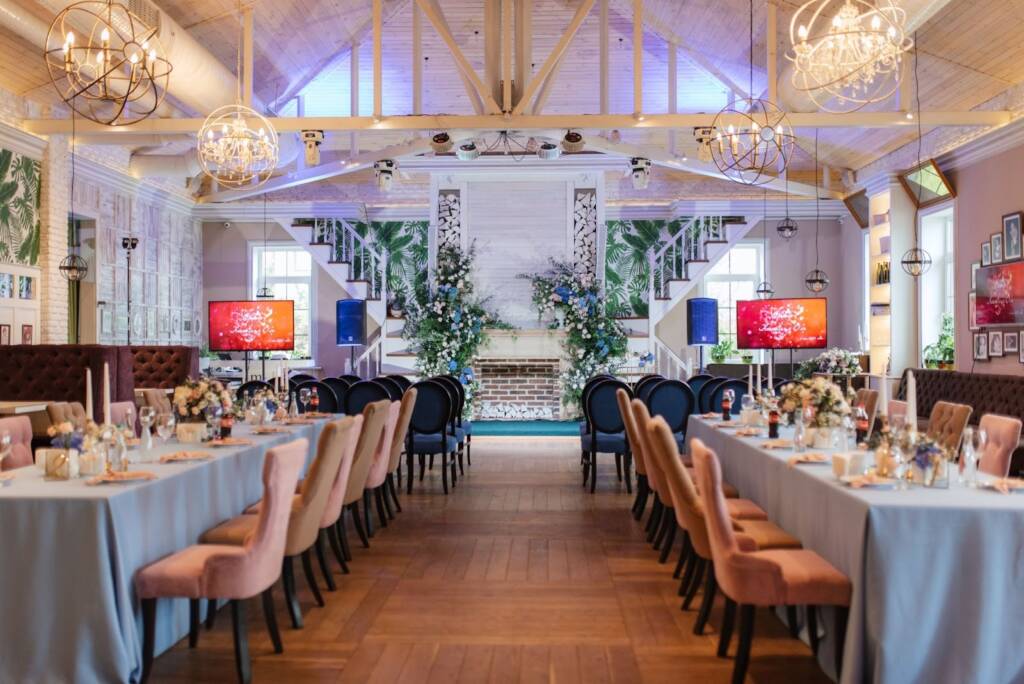
No single layout works for every event, which is why the same event space can feel completely different from one gathering to the next. A networking mixer might call for plenty of open standing areas and scattered high-top tables, while a formal dinner needs room for larger tables and server circulation. Guest count also matters, because too few people in an ample space can feel empty, while too many in a tight layout can feel overwhelming. Adjusting table sizes, spacing, and the number of seating zones helps right-size the room for your crowd. By tailoring the design to the event type and headcount, you ensure the event space feels comfortable instead of either sparse or cramped.
Matching Layout To Event Goals
If your goal is mingling, prioritize open areas and multiple conversation spots. For focused presentations, arrange seating so every guest feels connected to the stage.
Fine-Tuning As RSVPs Change
As the guest list grows or shrinks, minor layout tweaks can keep the room balanced. Shifting tables or redefining zones can make a big difference in energy.
Partnering With Your Venue To Optimize Event Space Design
You do not have to figure out the perfect layout alone—venue staff and planners work with the same event space every day and know what tends to work best. They can offer insight on where bottlenecks usually form, which seating arrangements suit your guest count, and how to position key elements so they feel natural. Sharing your goals and audience with them helps them suggest layouts that fit your specific event instead of a generic setup. When you collaborate closely and stay open to their experience, the event space layout becomes a powerful tool for shaping guest experience. That partnership turns your vision into a space where guests feel taken care of from arrival to final farewell.
Visit our Rest Yourself River Ranch blog to learn more about how event space impacts guest experience.