Glamping represents a shift in how people choose to experience nature while maintaining everyday comforts. Many travelers want fresh air, scenic views, and quiet surroundings without sacrificing rest or privacy. This travel style responds to changing expectations around convenience and time efficiency. Comfort, design, and location now carry equal weight in outdoor stays. Glamping fits modern lifestyles by offering nature-based accommodation that feels intentional and well considered.
Glamping Defined in Modern Travel
Glamping refers to outdoor accommodation that offers comfort, structure, and services similar to those of hotels. The term combines glamour and camping, but the experience feels far removed from traditional tents. Guests arrive at furnished spaces that remove the need for setup or specialized gear. This definition explains why glamping attracts travelers who want nature without inconvenience.
How Glamping Differs From Traditional Camping
Glamping differs from traditional camping by eliminating much of the physical effort and preparation. Guests do not bring tents, sleeping bags, or cooking equipment. Instead, accommodations arrive fully set up with stable walls and secure flooring. Weather exposure becomes less stressful due to insulation and proper roofing. Privacy also improves because units stand apart from shared campgrounds. This contrast explains why glamping appeals to people new to outdoor travel.
Why Comfort Shapes the Glamping Experience
Comfort influences how guests perceive the entire stay. Quality beds support better sleep after outdoor activities. Climate control allows guests to enjoy destinations across different seasons. That comfort reduces fatigue and stress during short trips. Clean bathrooms often matter more to guests than decorative features. This focus aligns glamping with modern hospitality expectations.
The Origins and Growth of Glamping
Glamping grew from earlier forms of structured outdoor travel. Historical examples show travelers seeking comfort even in remote settings. That mindset evolved as tourism became more experience-driven. Glamping gained momentum when travelers wanted meaningful stays without complexity.
Early Luxury Camping Traditions
Luxury camping existed long before the word glamping became popular. Royal expeditions traveled with furnished tents and support staff. Safari camps later refined this approach in wildlife regions. These setups balanced exploration with rest and privacy. Guests enjoyed nature without daily setup tasks. This history still influences modern glamping design.
How Glamping Entered Mainstream Tourism
Glamping entered mainstream tourism as travel tastes shifted toward distinctive stays. Social platforms increased interest in scenic and unusual accommodations. Booking websites made glamping easier to compare and reserve. Property owners recognized the growing demand for outdoor lodging. This visibility attracted travelers across age groups. That expansion placed glamping firmly within global tourism.
Common Types of Glamping Accommodations
Glamping includes several accommodation styles designed for different environments. Each structure offers a unique balance between immersion and comfort. Location often determines which design works best. This variety helps guests match their preferences to the setting.
Safari Tents and Canvas Lodges
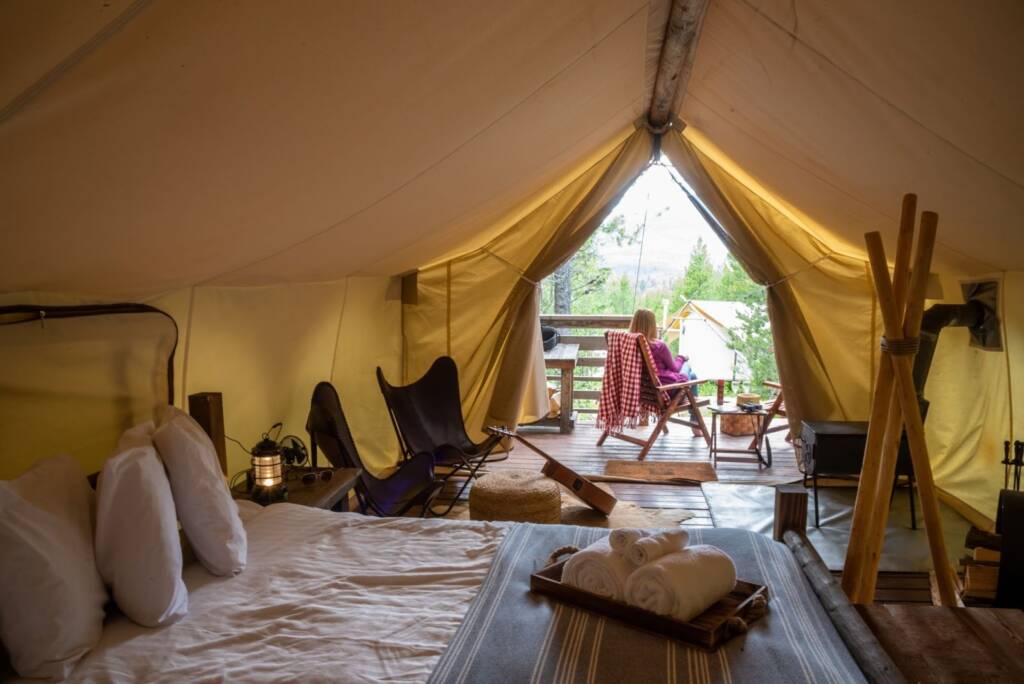
Safari tents use heavy canvas and solid frames for durability. Interiors often include proper beds and wood flooring. This structure allows airflow while maintaining warmth. Many designs feature private decks or seating areas. Safari tents suit forests, plains, and wildlife regions. This format remains one of the most recognized forms of glamping.
Yurts and Geodesic Domes
Yurts provide strong insulation due to their circular construction. Domes feature panoramic windows and modern interiors. This design suits colder climates and scenic landscapes. Guests feel connected to their surroundings without exposure. These structures often support year-round use. This appeal attracts travelers seeking visual impact.
Cabins, Pods, and Tiny Homes
Cabins offer familiarity and solid construction. Pods focus on efficient use of compact space. Tiny homes combine kitchens and bathrooms into a small footprint. This category appeals to guests who value privacy and stability. Maintenance remains manageable for operators. This accommodation type fits many regions.
Treehouses and Elevated Stays
Treehouses provide elevated views and a sense of escape. Designers prioritize safety and structural balance. This elevation reduces impact on the ground below. Guests enjoy privacy among trees and foliage. Access usually involves stairs or walkways. This format attracts couples seeking memorable stays.
Amenities That Set Glamping Apart
Amenities distinguish glamping from basic outdoor lodging. Guests expect reliability, cleanliness, and comfort. These expectations shape pricing and satisfaction. Operators select features that improve ease and rest.
Sleeping and Interior Comfort Features
High-quality mattresses affect satisfaction immediately. Furniture layout shapes how space feels and functions. This interior planning supports relaxation after outdoor activities. Lighting improves both mood and safety. Storage helps guests stay organized. This attention to comfort improves reviews.
Bathrooms, Power, and Climate Control
Private bathrooms rank high among guest priorities. Hot showers support comfort across seasons. Electricity allows device charging and lighting. This access enables remote work and longer stays. Heating and cooling expand seasonal demand. This infrastructure supports premium positioning.
Added Touches That Improve Guest Experience
Fire pits encourage evening relaxation. Outdoor seating supports scenic enjoyment. Thoughtful decor reflects the surrounding landscape. This detail improves emotional connection. Small additions often influence repeat bookings. This focus separates basic stays from memorable ones.
Popular Glamping Locations Worldwide
Location defines how guests experience glamping. Natural surroundings shape activities and atmosphere. This factor often drives booking decisions. Accessibility also affects appeal.
Forest and National Park Glamping
Forested locations offer shade and quiet. Proximity to trails supports hiking and exploration. Wildlife viewing adds interest to stays. Regulations guide development in protected areas. Sustainability remains essential. This environment attracts nature-focused travelers.
Coastal and Waterfront Glamping
Waterfront glamping offers views and fresh air. Beach access expands leisure options. This environment requires careful weather planning. Elevated structures reduce flood risk. Sunsets add emotional appeal. This setting often supports higher pricing.
Ranch and Countryside Glamping
Ranch glamping offers wide-open spaces and rural charm. Guests experience working landscapes and open skies. This setting often includes horseback riding or farm activities. Privacy feels more expansive in these areas. Ranch stays suit travelers seeking slower-paced travel. This location blends comfort with agricultural heritage.
Desert, Mountain, and Remote Locations
Desert sites highlight open skies and silence. Mountain locations offer cooler temperatures and views. Remote areas attract guests seeking privacy. Infrastructure planning becomes essential in these regions. Seasonal demand fluctuates more noticeably. This landscape delivers dramatic experiences.
Glamping and the Rise of Short-Duration Travel
Glamping aligns closely with how people travel today. Short stays dominate modern leisure schedules. This pattern favors accommodations that require no setup time. Glamping delivers full experiences within limited windows.
Weekend Travel Shapes Accommodation Choice
Weekend trips leave little room for preparation or recovery. Travelers want immediate comfort upon arrival. Glamping removes setup delays common with camping. Guests maximize usable leisure time. That efficiency improves perceived value. This fit explains high weekend occupancy rates.
Time Efficiency as a Travel Priority
Time has become a deciding factor in accommodation choice. Travelers prefer experiences that start immediately. Glamping allows guests to settle in within minutes. Activities begin without logistical barriers. This efficiency suits professionals and families alike. Time savings often outweigh price sensitivity.
Regional and Proximity-Based Travel Patterns
Many glamping trips occur close to home. Short driving distances reduce fatigue and cost. This proximity supports repeat visits. Regional travel also benefits local economies. Guests return seasonally rather than once. This pattern strengthens long-term demand for glamping sites.
The Psychology Behind Glamping Travel Choices
Glamping appeals because it reduces friction in travel decisions while preserving emotional reward. Many travelers want nature, but they also want predictability and rest. This balance explains why glamping feels restorative rather than demanding. The format satisfies a psychological need for control within unfamiliar environments.
Comfort-Seeking vs. Adventure-Seeking Travelers
Comfort-seeking travelers value certainty, privacy, and physical ease. Adventure-seeking travelers value novelty, scenery, and outdoor immersion. Glamping sits between these two motivations without forcing a compromise. This positioning allows guests to feel adventurous without straining their bodies. The environment feels new, yet the accommodation feels familiar. This overlap broadens glamping’s appeal across age groups.
Why Structured Nature Feels More Restorative
Natural environments reduce stress, but only when basic needs are felt secure. Structured lodging removes anxiety around weather, safety, and sleep quality. This structure allows guests to relax both mentally and physically. Rest improves when uncertainty stays low. Guests remain present rather than focus on logistics. This effect explains strong satisfaction rates among first-time outdoor travelers.
Decision Fatigue and Ready-Made Experiences
Modern travelers often feel overwhelmed by planning details. Ready-made glamping stays reduce choices without reducing quality. This simplicity speeds up booking decisions. Guests arrive knowing what to expect. That clarity lowers cognitive load during short trips. This convenience plays a central role in glamping’s popularity.
Environmental Responsibility in Glamping
Sustainability influences many glamping choices. Guests increasingly value responsible practices. That awareness affects booking decisions. Operators respond through design and operations.
Eco-Friendly Design and Materials
Natural materials reduce visual impact on landscapes. Modular builds limit land disturbance. This approach supports faster installation—renewable energy powers many off-grid sites. Water-saving fixtures reduce consumption. This design reflects environmental awareness.
Supporting Local Communities
Local sourcing strengthens nearby economies. Employment benefits surrounding communities. This integration improves authenticity. Partnerships support guides and artisans. Community engagement builds trust. This approach supports long-term viability.
Define Your Glamping Experience
Defining your glamping experience begins with deciding what comfort, setting, and pace matter most to you. A well-chosen stay removes friction and allows the environment to do its work without distraction. When expectations align with amenities and location, time outdoors feels restorative rather than demanding. Glamping delivers its greatest value when approached deliberately, not as a compromise between travel styles.
Discover how intentional glamping comes together through real-world guidance on the Rest Yourself River Ranch blog, designed for informed travelers.