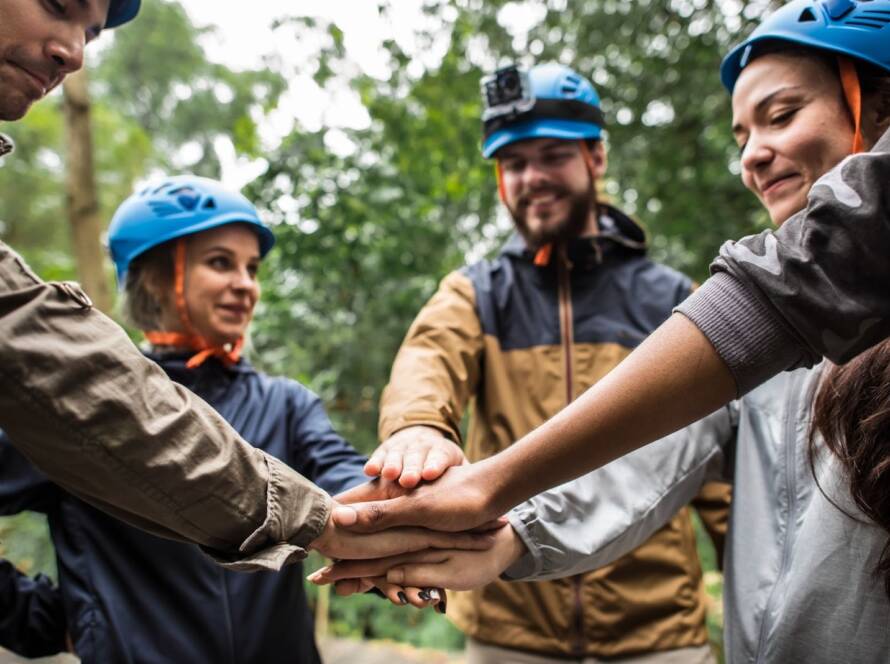
Modern workplaces often struggle with fragmented communication and rising pressure. Employees juggle multiple channels but rarely connect meaningfully with one another. A corporate retreat changes this dynamic by creating time and space for honest conversation. It allows teams to rediscover trust, clarity, and understanding through shared experiences that spark honest communication.
Defining a Corporate Retreat and Its Purpose
A corporate retreat is a focused team experience that strengthens communication, trust, and collaboration. It removes employees from their usual work environment to help them think, listen, and interact differently. Beyond rest and recreation, its goal is connection through purpose-driven activities and shared dialogue. Every moment is an opportunity to build relationships that improve daily workplace interactions.
Stepping Away from Daily Distractions Improves Clarity
Leaving behind screens and meeting schedules allows people to reconnect without tension. Employees can speak freely during a retreat, reflect on ideas, and listen without interruption. The absence of constant noise opens the way for better understanding among team members. This mental distance helps teams reset how they communicate in fast-paced work environments. The clarity gained from these calm moments often becomes the foundation for more productive conversations back in the office.
Authentic Dialogue Flourishes in Relaxed Settings
Informal settings create room for open and natural dialogue. Employees drop titles, speak as equals, and listen to one another more carefully. Conversations in relaxed environments become more honest and focused on solutions rather than problems. The sense of psychological safety strengthens mutual respect and empathy. These moments reshape how teams communicate during projects, turning formality into connection.
Shared Time Redefines Team Identity
Spending extended time together helps teams rediscover what truly connects them. Discussions shift from tasks to values, goals, and shared priorities. When people understand each other’s motivations, empathy becomes natural. This awareness helps individuals collaborate with fewer misunderstandings. Over time, the shared retreat experience becomes part of a team’s identity, shaping communication habits across all projects.
How a Corporate Retreat Builds Team Communication
A corporate retreat improves team communication by creating situations that require cooperation, listening, and problem-solving. Through shared challenges and guided dialogue, teams strengthen their ability to understand each other clearly. Each exercise reinforces communication as both an art and a daily practice. The outcomes include improved teamwork, higher morale, and stronger colleague trust.
Shared Challenges Build Mutual Trust
Team-building activities during retreats reveal each member’s strengths and weaknesses. As participants collaborate on tasks, they learn to listen and coordinate effectively. Communication becomes more natural because trust replaces hesitation. This collective reliance fosters a shared sense of responsibility. Once back at work, that trust translates into smoother collaboration, fewer conflicts, and more effective teamwork.
Facilitated Discussions Encourage Honest Expression
Guided group discussions during retreats give everyone an equal voice. Professional facilitators help teams surface hidden communication barriers in a structured way. Employees can share insights without fear of judgment, promoting transparency. These conversations highlight how tone, timing, and empathy affect message delivery. Meetings become more open and constructive when such practices return to the workplace.
Feedback Practice Strengthens Communication Skills
Retreat sessions often include feedback exercises to build confidence in giving and receiving input. Participants practice expressing thoughts with clarity and respect. They also learn to accept feedback without taking it personally. These exchanges create emotional resilience and stronger listening habits. In the long run, such open feedback builds a culture where communication feels natural, not forced.

Leadership Engagement Inspires Transparency
When leaders participate as equals, it sends a powerful message. Open involvement from management shows that transparency is not only welcome but expected. Employees see communication modeled as collaboration, not hierarchy. This visibility encourages honesty throughout the organization. Over time, leaders who practice this openness strengthen alignment and mutual respect within their teams.
The Impact of Environment on Team Communication
The environment of a corporate retreat influences how teams think and communicate. A change of scenery helps employees focus on each other rather than on daily stress. Whether surrounded by nature or a thoughtfully designed space, people communicate more freely when they feel comfortable. This setting lays the foundation for positive, lasting communication habits.
Nature Encourages Calm and Genuine Connection
Natural surroundings reduce stress and promote calm discussions. When teams gather outdoors, conversations become more organic and less guarded. This slower pace allows people to reflect before responding, improving dialogue quality. The relaxed tone leads to deeper listening and empathy. Teams often return to the office carrying this calm communication style into their daily interactions.
Intentional Design Shapes Team Interaction
Retreat spaces with open lounges, group tables, and comfortable corners support connection. Unlike formal office layouts, these environments invite people to talk without pressure. Participants move freely, forming spontaneous discussions that build familiarity. These casual exchanges promote stronger interpersonal relationships. Over time, employees who connect in such open spaces communicate more effectively in structured settings.
Comfort Enhances Focus and Connection
Choosing the right accommodation adds both comfort and productivity to a retreat. For instance, a venue like a river ranch may have inviting hotel facilities that creates a balanced environment for rest and collaboration. Comfortable spaces encourage people to stay engaged and connected throughout the retreat. When individuals feel at ease, they communicate more openly and honestly. Combining relaxation and focus leads to conversations that build trust and understanding.
Corporate Retreat Activities That Strengthen Communication
The activities chosen during a corporate retreat shape communication. They combine challenge, collaboration, and creativity to improve real-world teamwork. Each task or session becomes a shared experience that strengthens group dialogue. The result is stronger communication both personally and professionally.
Collaborative Challenges Reinforce Active Listening
Physical or mental challenges test how teams share information and react. Participants quickly learn that success depends on clear, concise communication. They also see how misunderstanding leads to inefficiency. These realizations teach the value of timing and tone when sharing ideas. As a result, employees gain habits that translate directly to workplace success.
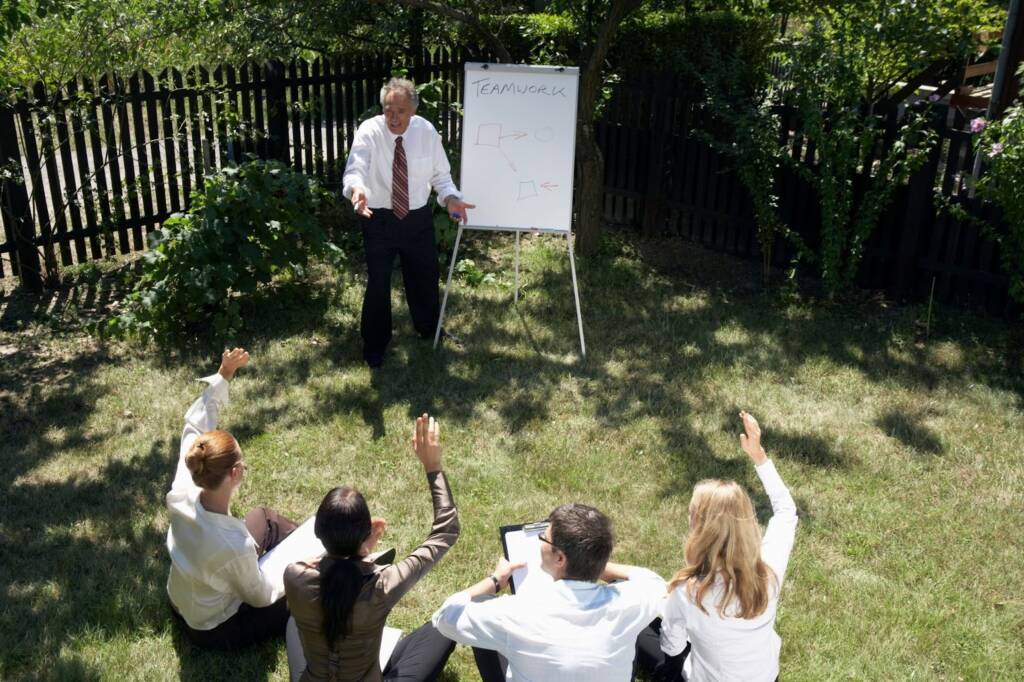
Skill Workshops Build Practical Communication Techniques
Workshops led by communication experts teach strategies for clarity and empathy. Through role-playing and reflection, employees discover how to handle conflict and miscommunication. They also learn techniques like active listening and constructive phrasing. These exercises build awareness of how language shapes perception. Afterward, the lessons become everyday tools for more effective collaboration.
Informal Social Moments Build Human Connection
Social time is as valuable as structured sessions during a retreat. Shared dinners or fireside talks create relaxed opportunities for bonding. People often discover shared interests or experiences that deepen understanding. This emotional connection strengthens collaboration because communication becomes more personal. Strong human bonds form the base for long-term team unity.
Reflection Sessions Encourage Self-Awareness
Personal reflection is an essential part of communication growth. Guided exercises help participants analyze how they express themselves and respond to others. This awareness leads to thoughtful adjustments in tone and timing. Discussing these reflections as a group fosters mutual understanding. Over time, reflection helps individuals communicate with intention and empathy.
Long-Term Communication Gains After a Corporate Retreat
The improvements made during a corporate retreat last well beyond the event. Teams return to work with renewed confidence in their communication abilities. They approach challenges with better clarity and cooperation. These long-term effects shape stronger workplace relationships and overall company culture.
Confidence Grows Through Clearer Communication
When employees practice open dialogue during retreats, they gain confidence in expression. They learn to communicate ideas clearly and listen with purpose. Meetings become more effective because discussions stay focused and respectful. This confidence reduces misunderstandings and builds efficiency. As clarity increases, collaboration becomes smoother across departments.
Leadership Reinforces Continuous Transparency
Leaders who apply the retreat lessons model open up the rest of the organization. Their consistent approach builds trust and strengthens communication norms. Employees follow this example, creating an ongoing cycle of transparency. This visible change fosters inclusion and shared accountability. Over time, open communication becomes part of the organization’s culture.
Culture Evolves Toward Empathy and Collaboration
Sustained communication improvements shape the workplace culture itself. Departments start cooperating instead of competing. Teams solve problems faster through honest conversation and respect. People feel safer sharing ideas and feedback without fear. This cultural shift leads to higher morale, loyalty, and shared purpose.
Why a Corporate Retreat is a Smart Investment
Investing in a corporate retreat is one of the most effective ways to improve team communication. The long-term benefits of clarity, trust, and collaboration outweigh the cost. Retreats create measurable results such as fewer conflicts, stronger retention, and better innovation. For many companies, the value lies in building teams that communicate naturally and effectively.
Clearer Communication Reduces Costly Errors
Miscommunication often causes project delays and wasted resources. When teams speak and listen effectively, productivity rises sharply. Clear communication reduces misunderstandings that lead to costly mistakes. Companies benefit from faster project completion and smoother workflows. Over time, improved communication efficiency strengthens overall performance and profit margins.
Employee Retention Improves Through Connection
People stay in companies where they feel valued and heard. Retreats strengthen that sense of belonging by improving mutual understanding. As communication grows clearer, job satisfaction increases. Employees feel connected to the company’s purpose and goals. This emotional connection lowers turnover and builds lasting loyalty.
Innovation Thrives When Teams Communicate Freely
Creative ideas emerge when teams communicate without fear or hesitation. Corporate retreats break down barriers that limit collaboration, making brainstorming more fluid and inclusive. Employees share diverse perspectives that fuel innovation, enabling the organization to gain both creativity and stronger team unity.
Strengthen Workplace Communication Through a Retreat
Communication defines how teams perform and how businesses grow. A well-planned corporate retreat allows teams to reset, reconnect, and rebuild communication habits that last. It helps people rediscover listening, sharing, and cooperating respectfully and confidently. Companies that prioritize these experiences invest in team success and a stronger, more connected future.
Step beyond the retreat experience; visit the Rest Yourself River Branch blog for thoughtful perspectives on leadership, trust, and collaboration.