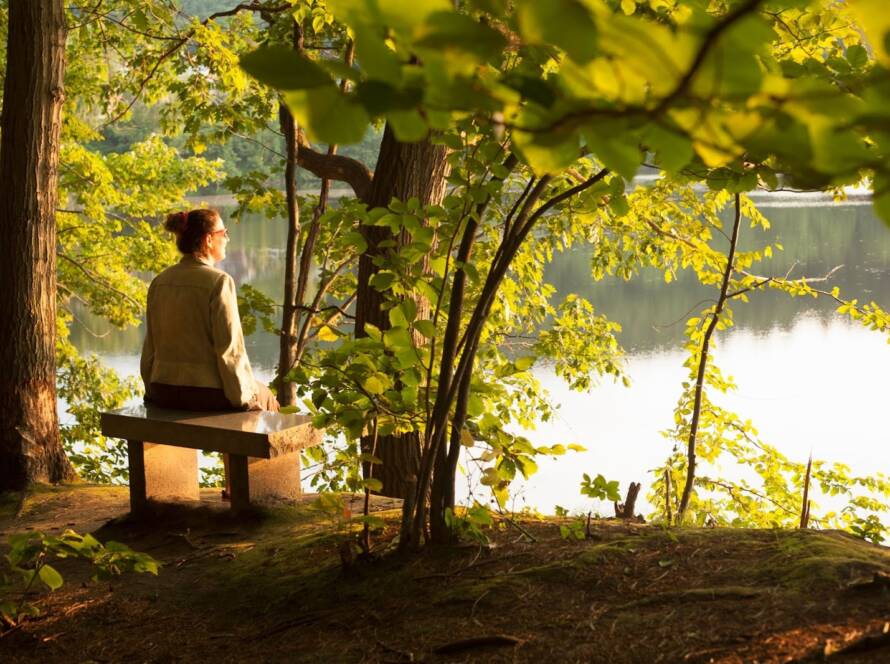
A team-building retreat gives companies intentional space to strengthen how people work together beyond daily responsibilities. Many teams communicate constantly yet still feel disconnected due to pace, structure, or distance. A retreat slows that momentum and shifts attention toward relationships, shared understanding, and collaboration. That collective experience often leads to better communication, stronger trust, and more consistent performance over time.
What a Team-Building Retreat is
A team-building retreat is a structured off-site experience designed to improve collaboration, communication, and alignment within a company. It brings employees together in an environment that removes everyday distractions and reduces workplace hierarchy. That separation allows teams to interact more openly and reflect on how they work together. The retreat experience focuses on relationships as much as outcomes, which supports long-term team health.
Core Purpose of a Team-Building Retreat
The core purpose of a team-building retreat is to strengthen working relationships through shared experience. When employees step away from task-driven interaction, conversations become more genuine and less guarded. That openness allows teams to recognize strengths, address friction, and clarify expectations. Employees gain a better understanding of how colleagues think and communicate. This awareness improves empathy and patience back at work. Collaboration becomes more intentional rather than reactive.
Long-Term Value for Team Dynamics
A team-building retreat creates benefits that extend beyond the event itself. Addressing communication and trust issues early prevents small issues from becoming ongoing problems. Employees feel more comfortable speaking up after building rapport in a relaxed setting. That comfort improves collaboration during challenging projects. Teams return with a shared reference point that supports cooperation. Performance becomes more stable as relationships strengthen.
Why Team-Building Retreats Matter Today
Team-building retreats matter because modern work environments limit natural connection. Remote and hybrid models increase efficiency but reduce informal interaction. A retreat restores shared experience and face-to-face communication. That renewed connection supports healthier teamwork moving forward.
Effects of Remote and Hybrid Work
Remote and hybrid work reduces spontaneous conversations that build trust. Without informal interaction, misunderstandings become more common. A team-building retreat addresses this gap by intentionally bringing people together. Employees interact without screens or rigid schedules. This direct engagement rebuilds familiarity and confidence. Communication improves once teams return to distributed work.
Supporting Teams Through Change
Organizational change can strain relationships and morale. Growth, restructuring, or turnover often disrupts team cohesion. A retreat provides stability during these transitions. Teams discuss concerns openly in a neutral environment. Leaders clarify direction and priorities. Alignment improves as teams move forward together.
How Team-Building Retreats Strengthen Companies
A team-building retreat influences far more than morale or engagement. It reshapes how employees communicate, make decisions, and respond to challenges together. When teams step away from routine pressures, patterns that limit effectiveness become visible. Those insights set the stage for deeper, practical benefits across the organization.
Strengthening Workplace Communication
Stronger communication develops when teams learn how to listen, interpret, and respond more effectively. Time away from routine pressure allows employees to notice habits that interfere with clarity. Shared interaction creates awareness around tone, assumptions, and timing. That awareness carries into daily work and improves collaboration across roles.
Building Stronger Listening Habits
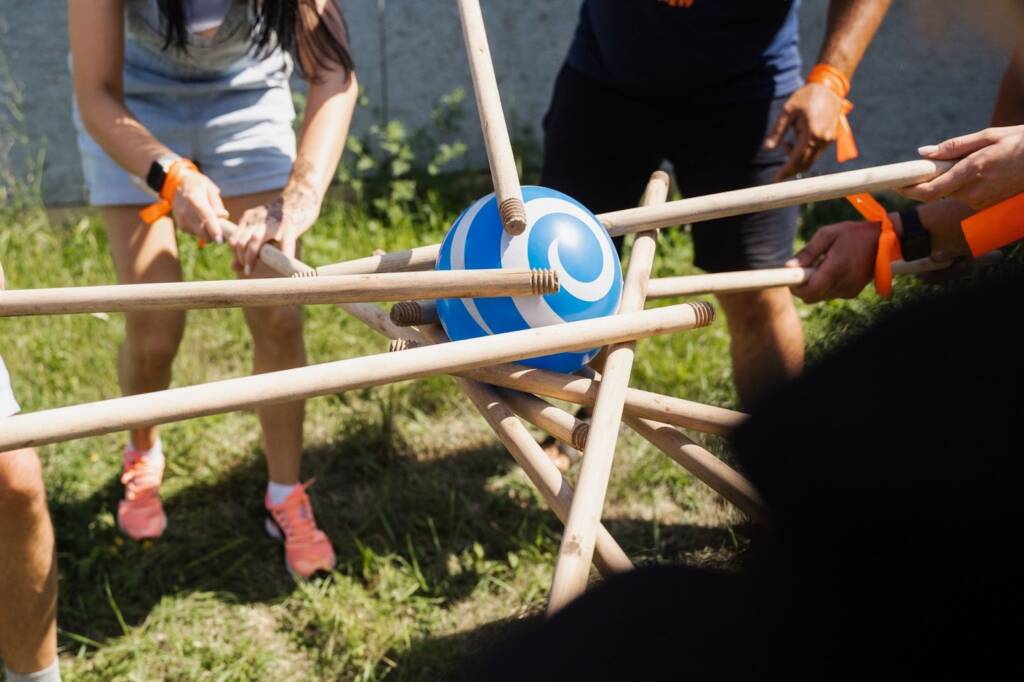
Listening improves when conversations slow down, and attention becomes intentional. Team activities encourage participants to focus fully on others rather than preparing responses. Employees begin to recognize how often messages are missed or misunderstood. This awareness changes how people engage in future discussions. Respect grows as individuals feel genuinely heard. Communication becomes clearer and more productive.
Improving Cross-Team Understanding
Cross-team understanding increases when employees explain how they interpret information. Different roles often rely on specialized language that others misread. Shared discussion brings these differences into focus. Employees adjust their communication based on this insight. Messages become clearer across departments. Collaboration improves with fewer delays.
Encouraging Open and Honest Dialogue
Open dialogue develops when employees feel safe expressing ideas. Informal environments reduce fear of judgment or hierarchy. Teams speak more freely about concerns and opportunities. Leaders gain insight into perspectives often hidden during routine work. Issues surface earlier rather than escalating. Solutions improve through shared discussion.
Reinforcing Trust and Shared Accountability
Trust strengthens when employees rely on one another outside familiar routines. Shared challenges reveal dependability and integrity. Teams gain confidence in how colleagues respond under pressure. That confidence supports accountability without constant oversight.
Building Trust Through Shared Challenges
Trust develops faster through experience than explanation. Group challenges require cooperation and honest communication. Employees observe reliability in real time. This exposure builds credibility across teams. Shared success reinforces positive expectations. Collaboration becomes more confident afterward.
Creating Accountability Through Team Ownership
Accountability improves when expectations are defined collectively. Teams discuss responsibilities openly and align on priorities. Commitments feel meaningful because employees help shape them. Transparency increases during follow-up work. Issues are addressed earlier rather than avoided. Performance becomes more consistent.
Increasing Morale and Employee Engagement
Engagement improves when employees feel connected and valued. Shared experiences create emotional investment beyond daily tasks. Teams return with renewed energy and focus. This shift supports sustained motivation.
Reconnecting Employees With Purpose
Purpose becomes clearer when employees reflect together. Shared discussion reconnects teams with broader goals. Individuals see how their work supports collective outcomes. This understanding influences daily effort. Work feels less isolated. Engagement strengthens over time.
Supporting Emotional and Mental Well-Being
Well-being improves when employees step away from constant pressure. Time for reflection and connection reduces stress. Employees recharge mentally and emotionally. Focus improves after returning to work. Interactions feel more balanced. Engagement becomes sustainable.
Improving Retention Through Meaningful Experiences
Retention improves when employees associate work with positive experiences. Shared moments build loyalty and trust. Teams feel supported rather than transactional. Commitment strengthens gradually. Turnover decreases over time. Stability benefits the organization.
Developing Leadership Across the Organization
Leadership qualities often emerge outside formal roles. Group interaction highlights initiative and influence. Managers gain insight into team dynamics. Development opportunities become clearer.
Identifying Emerging Leaders Naturally
Emerging leaders guide peers through collaboration. They communicate clearly and build consensus. Teams respond to these behaviors instinctively. Managers observe leadership potential in action. Growth paths become visible. Succession planning improves.
Strengthening Manager and Team Relationships
Relationships improve when hierarchy softens. Informal interaction builds mutual understanding. Employees share ideas more openly. Managers gain insight into team needs. Trust deepens through experience. Collaboration improves afterward.
Encouraging Innovation and Creative Thinking
Innovation grows when routine patterns break. New environments support fresh perspectives. Teams explore ideas without immediate pressure. Creativity becomes more accessible.
Stimulating New Ways of Thinking
Habitual thinking limits problem-solving. Shared experiences disrupt familiar patterns. Employees feel freer to suggest ideas. Creativity increases without fear of judgment. Connections form across roles. Innovation becomes practical.
Solving Problems Through Collaborative Effort
Complex problems benefit from collective input. Teams work through challenges together. Shared ownership strengthens solutions. Implementation improves with broader support. Results reflect cooperation. Progress feels sustainable.
Aligning Teams With Direction and Values
Alignment improves when teams share an understanding of goals and expectations. Open discussion clarifies direction. Employees gain confidence in priorities. Focus strengthens across roles.
Clarifying Organizational Goals and Priorities
Clarity improves when leaders openly explain direction. Teams ask questions without hesitation. Misunderstandings decrease through discussion. Employees align their efforts with priorities. Decision-making improves. Work becomes more focused.
Reinforcing Values Through Shared Experience
Values gain meaning through action. Shared activities demonstrate collaboration and respect. Employees see consistency in behavior. Trust grows through alignment. Conflict decreases over time. Culture strengthens naturally.
How Retreats Improve Team Decision-Making
A team-building retreat improves decision-making by aligning how teams interpret information and risk. Many workplace issues stem from teams making decisions based on different assumptions. A retreat creates space to surface those differences without urgency. That shared understanding leads to faster and more consistent decisions.
Reducing Cognitive Misalignment Across Teams
Cognitive misalignment occurs when teams interpret goals, data, or priorities differently. This organizational issue often remains invisible during routine work. A team-building retreat exposes these gaps through discussion and collaboration. Employees explain how they approach decisions and evaluate trade-offs. This clarity helps teams recognize conflicting assumptions early. Decisions become easier because teams operate from shared mental models.
Improving Decision Speed Without Sacrificing Quality
Slow decision-making often reflects uncertainty rather than a lack of effort. Retreats allow teams to discuss how decisions should be made, not just what decisions to make. Employees align on authority, input, and accountability. This alignment reduces hesitation in real-world scenarios. Teams act with greater confidence afterward. Decision speed improves without increasing risk.
Creating Shared Judgment Standards
Teams frequently disagree because judgment standards differ. One group may value speed, while another prioritizes caution. Retreat discussions help teams articulate these preferences openly. Employees understand why colleagues make certain choices. This understanding reduces friction during collaboration. Decisions feel more balanced and fair.
Build Lasting Advantage With a Team-Building Retreat
A team-building retreat creates an advantage by shaping how people think, decide, and work together when it matters most. Companies that commit to this kind of focused time reduce friction that quietly slows execution and weakens alignment. The real value shows up after teams return, when communication feels easier, and decisions move with confidence. Choosing to invest in shared experience sends a clear signal about priorities, and that signal often becomes the difference between teams that function and teams that consistently perform.
Visit the Rest Yourself River Ranch blog to learn how intentional space and structure can support stronger, more connected teams.