
A yurt offers something unusual: comfortable shelter that keeps guests connected to the outdoors. Its circular shape comes from centuries of practical design, not modern architectural trends. Traditional yurts housed nomadic communities, while modern versions now create distinctive places to stay. At Texas ranch destinations, they pair private accommodations with open landscapes and outdoor activities. That combination gives travelers another way to experience ranch country without relying on traditional camping.
What Exactly is a Yurt?
A yurt is a circular dwelling supported by a strong framework beneath a weather-resistant covering. Traditional designs use lattice walls, roof poles, tension bands, and a central compression ring. Modern versions can add comfortable furnishings and many conveniences associated with permanent accommodations. Those qualities make yurts particularly appealing for ranches, retreats, and nature-focused destinations.
The Basic Structure of a Yurt
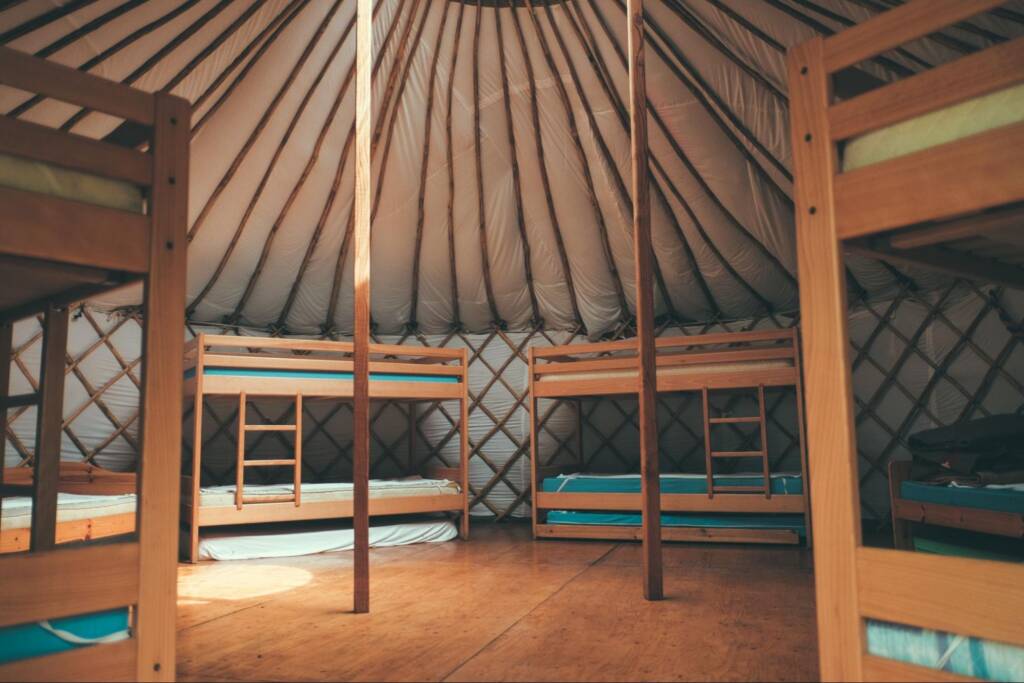
A yurt begins with expandable lattice wall sections that create its recognizable circular perimeter. Roof poles connect those walls to a compression ring positioned above the living space. Tension bands help hold the structure together and prevent the walls from spreading outward. Modern coverings often use durable fabrics designed to withstand regular exposure to changing weather. Solid doors, windows, flooring, and insulation can make the interior feel more like a guest room. Together, these features combine an unconventional structure with the comfort travelers expect from destination lodging.
How a Yurt Differs From a Tent
A yurt may resemble an oversized tent, but its structural system creates important differences. Most camping tents use lightweight poles and fabric intended primarily for temporary outdoor shelter. Yurts generally feature substantial lattice walls, numerous roof rafters, and a central compression ring. Modern models may also include electricity, insulation, solid flooring, windows, and climate control. Guests can therefore enjoy outdoor surroundings without managing the equipment associated with traditional tent camping. That balance makes yurts especially suitable for travelers seeking an approachable outdoor experience.
Why Yurts Work at Texas Ranches
Texas ranch destinations often attract travelers who want scenery, activities, privacy, and comfortable accommodations together. Yurts complement that experience because their design feels closely connected to the surrounding land. Guests can spend their days horseback riding, hiking, fishing, or enjoying other ranch activities. Afterward, they can return to a private space with real beds and useful amenities. A thoughtfully placed yurt also creates opportunities for stargazing and quiet evenings away from crowded lodging areas. The accommodation becomes part of the ranch experience, not just a place to sleep.
Where Did Yurts Come From?
Yurts developed as practical homes for mobile communities across Central Asia’s grasslands. Their portable construction suited people who regularly moved livestock between seasonal grazing areas. Generations refined the design to handle transportation, changing weather, and everyday family life efficiently. That history explains why yurts still feel naturally suited to expansive rural environments.
Central Asian Origins and Nomadic Life
Yurts have deep historical associations with peoples across Mongolia and other parts of Central Asia. Mongolians commonly call the dwelling a ger, while the word yurt has Turkic linguistic roots. Families could dismantle these homes and transport their components as they moved between seasonal locations. Their circular interiors provided flexible space for sleeping, cooking, storage, hospitality, and everyday activities. Felt made from animal wool supplied valuable insulation against temperatures common across open steppe environments. The resulting dwelling reflected mobility, livestock-centered lifestyles, local resources, and demanding environmental conditions.
How Traditional Yurts Became Modern Lodging
Modern manufacturers retained the circular concept while adapting yurts for recreational and hospitality settings. Engineered wood, metal hardware, synthetic fabrics, and modern insulation often replace traditional construction materials. Many models still preserve the familiar lattice walls and roof structure that define a yurt. However, guest accommodations may add plumbing, electricity, heating, cooling, and carefully designed interiors. Ranch properties can therefore provide an outdoor-focused stay without asking visitors to sacrifice everyday comforts. The result bridges an old shelter concept with modern destination travel.
How Does a Yurt Work?
A yurt gains much of its strength from how its components support one another. The circular wall distributes loads differently from the straight walls of conventional rectangular structures. Roof poles transfer weight between the upper compression ring and the surrounding lattice wall. Proper tension, anchoring, materials, and assembly determine how successfully the complete structure performs.
Why the Circular Shape Works
Circular construction gives a yurt fewer exposed corners for wind to push against directly. Wind can move around the curved exterior instead of meeting a broad rectangular wall. The roof also distributes weight around the perimeter rather than concentrating loads in limited areas. Tension bands help resist outward pressure where roof poles meet the surrounding walls. These characteristics historically helped yurts perform across exposed landscapes with challenging weather conditions. Modern construction can reinforce the concept through improved connections, anchoring, fabrics, and structural components.
How Yurts Handle Texas Conditions
Texas conditions vary considerably, making location-specific yurt design especially important for destination properties. Summer heat can make insulation, shade, ventilation, and air conditioning valuable guest-comfort features. Strong sunlight also increases the importance of durable exterior coverings designed to withstand UV exposure. Severe storms and high winds require appropriate engineering, anchoring, and site-specific maintenance. Rainfall and drainage matter because standing water can create problems around platforms and access routes. A properly planned ranch yurt should reflect local conditions rather than rely on a single standard configuration.
What is Staying in a Yurt Like?
A yurt stay feels different because one open circular room usually defines the interior. The absence of corners can make a modest floor plan feel surprisingly open and inviting. Furnishings, utilities, temperature control, and privacy determine how comfortable that space feels to guests. At a ranch, the surrounding activities and landscape add another dimension to the accommodation.
Space and Interior Comfort
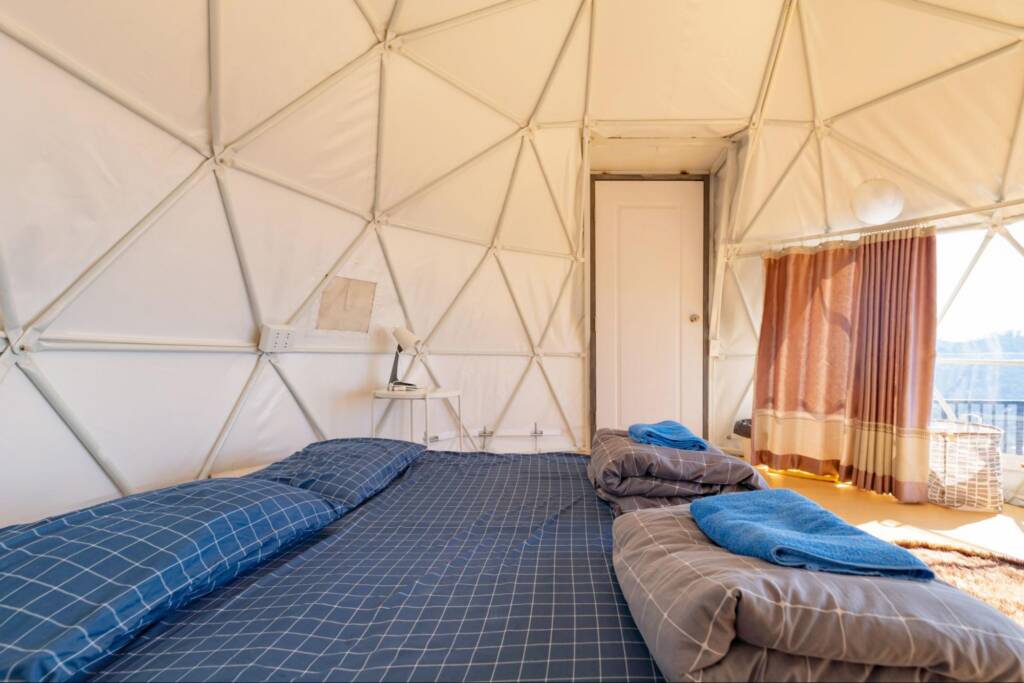
Most yurts provide an open floor plan centered beneath their distinctive circular roof structure. Beds and furniture can line the perimeter, leaving the center open. Larger yurts may accommodate private bathrooms or partitions for additional separation between living areas. Thoughtful storage keeps luggage and outdoor equipment organized without making the room feel crowded. Skylights and windows can also bring in natural light while visually connecting guests with their surroundings. These details can make a ranch yurt feel comfortable without losing its distinctive outdoor character.
Cooling a Yurt During Texas Summers
Summer comfort deserves particular attention when yurts operate in areas with prolonged hot weather. Air conditioning can make a major difference for guests returning after daytime ranch activities. Effective insulation helps slow heat transfer through the roof and exterior walls during warmer periods. Shading can also reduce direct solar exposure when site conditions allow appropriate placement. Fans and ventilation support airflow but may not replace mechanical cooling during periods of intense heat. Guests booking summer stays should check which climate-control features their accommodations actually provide.
A Ranch Experience Beyond the Room
The strongest yurt stays give travelers reasons to spend time beyond their accommodations. A ranch setting can offer horseback riding, hiking, fishing, wildlife viewing, and other outdoor activities. Guests might spend mornings on trails before returning to their yurt during the warmer afternoon hours. Evenings can shift toward outdoor meals, campfires, stargazing, or quiet time across the property. That rhythm gives visitors an experience that conventional lodging may struggle to recreate. The yurt supports the trip while the ranch and surrounding landscape provide its broader character.
Why Choose a Yurt for a Texas Getaway?
Travelers increasingly have choices beyond conventional hotels when planning nature-focused trips and weekend escapes. A yurt occupies a useful middle ground between basic camping and a traditional cabin. Guests get a distinctive place to stay while staying close to the outdoors. At a Texas ranch, that combination can make a short getaway feel more immersive.
More Comfort Than Traditional Camping
Traditional camping requires equipment, setup time, and a willingness to accept relatively basic sleeping conditions. A furnished yurt removes many of those barriers while preserving an outdoor atmosphere. Guests can arrive without packing a tent, sleeping pads, or extensive campsite equipment. Depending on the property, they may also have electricity, private bathrooms, heating, and air conditioning. These conveniences make ranch experiences accessible to travelers who don’t consider themselves regular campers. Couples, families, and first-time outdoor travelers can join in without starting at a traditional campsite.
More Connection Than a Standard Hotel
Hotels offer convenience, but they often separate guests from the landscapes they traveled to experience. Ranch yurts can place accommodations directly within quieter natural surroundings and closer to outdoor activities. Guests may wake to open views instead of parking lots, hallways, and neighboring hotel rooms. Evenings can feel different when darkness reveals stars rather than surrounding commercial development. The setting encourages travelers to spend more of their trip outdoors without giving up private accommodations. That connection can become a major reason to choose a ranch stay over conventional lodging.
A Distinctive Choice for Couples and Families
Yurts can suit several types of travelers when the property matches accommodations with appropriate activities. Couples may appreciate privacy, scenery, quiet evenings, and an unconventional weekend getaway. Families can use the ranch setting to introduce children to horses, wildlife, trails, and outdoor recreation. Groups may enjoy staying in separate yurts while gathering for meals and shared activities elsewhere. The accommodation itself also adds novelty without requiring guests to manage a traditional camping setup. Checking occupancy limits and amenities helps travelers select the yurt that best fits their group.
What Can You Do at a Ranch Yurt Stay?
The accommodation represents only one part of a well-planned ranch destination experience. Activities give guests opportunities to interact with the land, not just observe it. Available options depend on the property, season, weather, and surrounding natural features. Travelers should compare experiences alongside accommodations when choosing where to book.
Horseback Riding and Ranch Activities
Horseback riding naturally complements a ranch stay and can introduce visitors to the surrounding landscape. Guided rides may accommodate different experience levels depending on the ranch and its programs. Some destinations also provide opportunities to learn about horses or aspects of ranch operations. Other properties focus more heavily on recreational riding and scenic trail experiences. Activity requirements can vary by age, ability, weight limits, weather, and safety policies. Guests should review those details before booking, especially when riding is an important part of their trip.
Hiking, Fishing, and Outdoor Recreation
Ranch properties may offer trails, fishing areas, wildlife viewing, games, or additional outdoor recreation. These activities give guests flexibility when they want more than one scheduled experience. Hiking can provide a slower way to explore scenery that feels different from horseback. Fishing can add a quieter activity for families, couples, or travelers seeking less structured time. Available recreation varies widely by destination, so travelers should confirm what their stay includes. A strong mix of activities can turn one night in a yurt into a fuller destination getaway.
Stargazing and Quiet Evenings
Rural ranch settings can offer nighttime experiences that are harder to find in developed areas. Lower surrounding light levels may create better opportunities to observe stars on clear evenings. Guests can enjoy the setting from a deck, outdoor seating area, or another designated space. Cooler evening temperatures may also make spending time outside more comfortable after hot daytime conditions. Some travelers value that quiet as much as organized ranch activities. A yurt located near open land can make those slower moments especially accessible.
What Amenities Can Ranch Yurts Offer?
Modern ranch yurts can range from simple shelters to highly appointed glamping accommodations. Travelers should never assume every property includes the same level of comfort. Amenities affect both the nightly experience and how much guests need to pack. Comparing these details before booking can prevent surprises when you arrive at a remote destination.
Beds, Bathrooms, and Climate Control
Comfort often begins with proper beds and suitable temperature control for the season. Some yurts include private bathrooms, while others use shared facilities elsewhere on the property. Air conditioning becomes especially attractive during warmer periods in many parts of Texas. Heating can matter during cooler nights and winter stays, depending on the destination. Travelers should also check for linens, towels, toiletries, electricity, and reliable hot water. These practical details often matter more than decorative features during a multi-night ranch getaway.
Outdoor Spaces and Scenic Settings
A private outdoor area can effectively extend the usable space beyond the yurt’s circular walls. Decks provide convenient places for morning coffee, reading, conversation, or taking in the surrounding landscape. Some properties may add seating, grills, fire features, or nearby gathering areas for guests. Placement matters because privacy and views can substantially influence the character of the stay. Ranch surroundings can make relatively simple outdoor amenities feel more meaningful than elaborate indoor additions. Travelers should consider both the yurt interior and its immediate setting when comparing options.
Book a Yurt Stay and Experience Texas Differently
A yurt stay gives you more than an interesting place to spend the night. It puts ranch activities, open landscapes, and quieter surroundings within easy reach. Choose a ranch that pairs comfortable yurts with experiences you genuinely want to enjoy. When the right setting and activities come together, your stay becomes a reason to visit, not just somewhere to sleep.
Want more ideas for planning a memorable ranch getaway? Visit the Rest Yourself River Ranch blog for helpful travel tips, outdoor inspiration, and ranch experiences.