
Texas gives hikers an impressive range of landscapes within one state. Trails wind through mountains, deserts, forests, canyons, grasslands, and limestone hills. That variety also means trail conditions can change considerably between destinations. Good planning helps you handle heat, changing weather, rough terrain, and remote areas. With the right preparation, hiking in Texas can suit beginners and experienced hikers alike.
Discovering the Variety of Texas Trails
Texas hiking experiences vary considerably depending on where you travel. Western landscapes feature mountains and deserts, while eastern areas contain forests and wetlands. Central regions combine limestone hills, waterways, grasslands, and broad stretches of ranch country. Understanding these differences can help you choose trails matching your interests and abilities.
Explore Mountains and Desert Landscapes
West Texas offers dramatic terrain for hikers who enjoy elevation and wide-open scenery. Mountain trails can include steep climbs, exposed ridges, and rocky sections requiring careful footing. Desert routes may offer little shade, making water planning especially important in warmer conditions. Temperatures can also change quickly between daytime and evening, especially at higher elevations. Sturdy footwear helps hikers manage loose rocks, uneven surfaces, and demanding trail sections. Starting early often provides cooler conditions and additional daylight for longer routes.
Walk Through Forests and Pine Country
East Texas presents a greener environment with forests, wetlands, lakes, and shaded pathways. Pine-covered trails can feel noticeably cooler than exposed routes during certain seasons. However, humidity may increase physical demands even when temperatures seem relatively moderate. Rain can create muddy paths, slippery roots, and wet crossings along wooded routes. Consider insect protection when exploring forests during warmer, wetter months. Check recent trail conditions before leaving because rainfall can quickly affect accessibility.
Experience Hill Country Trails
Central Texas combines rolling hills, limestone formations, rivers, springs, and open grasslands. Many trails move between shaded vegetation and exposed rocky sections within relatively short distances. Elevation changes may appear modest but can become tiring during longer hikes. Limestone surfaces can also become slippery after rainfall or near streams. Spring and cooler fall days often provide pleasant conditions for exploring these landscapes. Still, choose trails based on the weather, as exposed sections can heat up quickly.
A Practical Guide to Hiking Across Texas
Texas offers trails for casual walkers, experienced hikers, and everyone in between. Changing landscapes make every region feel different underfoot. Several factors explain why exploring Texas on foot deserves a place in your travel plans.
Find Routes That Fit Your Experience
Trail distance tells only part of the story when judging hiking difficulty. Elevation, surface conditions, exposure, and weather can completely change how demanding mileage feels. Your experience level should influence both route selection and expected completion time. Reviewing these factors beforehand reduces unpleasant surprises once you reach the trail.
Compare Distance With Elevation Gain
A three-mile climb can demand more effort than a longer route across level ground. Check total elevation gain instead of focusing exclusively on the listed trail mileage. Trail descriptions may also identify scrambling, steep grades, loose rocks, or difficult crossings. Those details provide a clearer picture of the physical challenge ahead. Beginners can build confidence through shorter routes before attempting substantial elevation or technical terrain. Gradual progression also helps hikers understand their natural pace and endurance.
Consider Everyone in Your Hiking Group
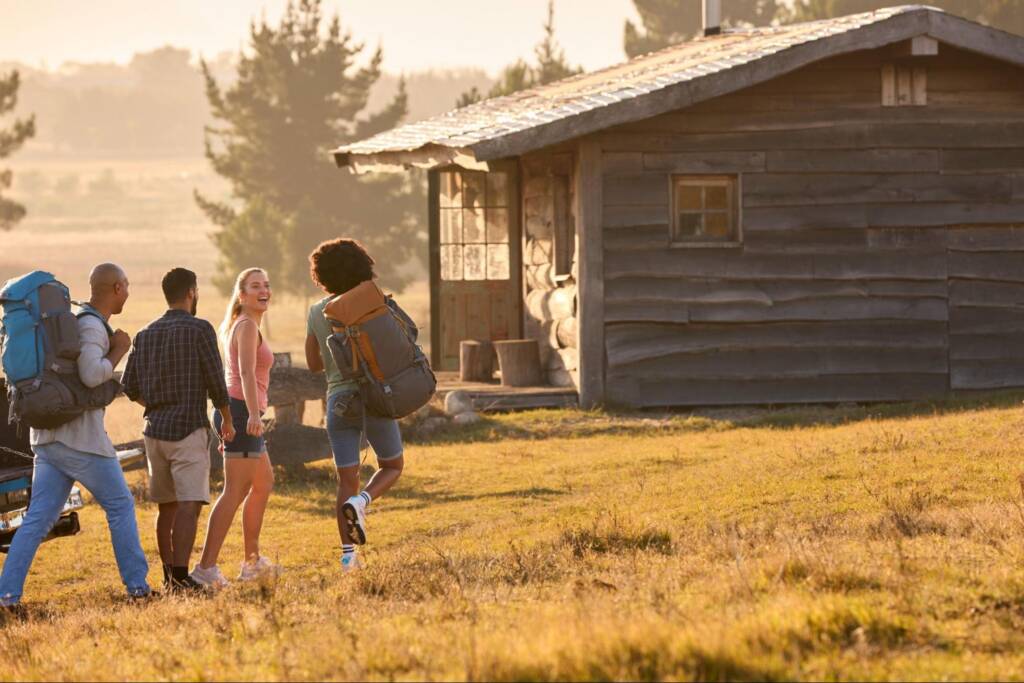
Groups should choose routes around the abilities of their least experienced members. Children and first-time hikers may need additional breaks during longer or steeper outings. Discuss the route beforehand so everyone understands the expected distance and difficulty. Agree on reasonable turnaround points before fatigue or changing weather creates pressure. Nobody benefits when a recreational hike becomes an unwanted endurance challenge. Matching expectations early makes the outing safer and more enjoyable for everyone.
Research Trail Conditions Before Leaving
Trail difficulty can change after storms, extreme temperatures, or periods of maintenance. Check official updates for closures, damaged sections, water crossings, and other current concerns. Recent visitor reports can provide additional context about mud, fallen trees, or rough surfaces. However, official park or property information should guide decisions about closures and restrictions. Download important information before entering areas where cellular service may become unreliable. Current conditions matter more than an old description of what the trail usually looks like.
Time Your Trail Days Around the Weather
Weather can influence trail conditions as much as the landscape itself. Summer heat makes exposed routes demanding during the hottest hours of the day. Cooler seasons may offer comfortable temperatures but can still bring sudden weather changes. Checking conditions before departure helps you adjust timing, clothing, water, and route choices.
Prepare for Heat and Strong Sun
Hot conditions require thoughtful planning, especially on trails with limited natural shade. Begin early when possible and avoid strenuous routes during extreme afternoon temperatures. Carry enough water for the planned hike, plus extra for unexpected delays. Electrolytes may also help during longer outings involving sustained exertion and heavy sweating. Lightweight clothing, sunscreen, sunglasses, and a hat provide useful protection from prolonged exposure. Stop hiking when heat-related symptoms appear instead of trying to push through discomfort.
Watch for Storms and Flash Flooding
Thunderstorms can develop quickly and create hazards beyond simply getting wet. Lightning presents particular concerns on exposed ridges, open fields, and elevated terrain. Heavy rainfall may also cause rapid flooding around washes, creeks, and low crossings. Never enter moving floodwater because its depth and force can be difficult to judge. Check forecasts shortly before leaving rather than depending on information from the previous day. Change your plans when severe weather could affect the route or safe return.
Consider Seasonal Trail Conditions
Every season brings advantages and tradeoffs for hikers exploring different parts of the state. Spring may offer comfortable temperatures, although storms can affect routes and creek levels. Fall often brings milder conditions to many areas after intense summer temperatures ease. Winter can provide excellent trail weather, particularly in regions that become extremely hot. However, freezing temperatures and strong winds can still occur in higher or exposed locations. Choose your destination according to current conditions rather than assuming one season suits every region.
Pack for the Trail and the Conditions
Smart packing prepares you for common trail problems without creating unnecessary backpack weight. Gear requirements depend on distance, terrain, weather, and how remote your route is. Water and reliable navigation deserve particular attention when hiking beyond developed areas. A few practical supplies can make unexpected situations much easier to manage.
Carry Enough Water and Trail Food
Water should remain a priority when packing for most routes statewide. Bring enough for your expected distance, and keep extra water for delays. Longer outings also require food that provides quick energy without taking up much space in your backpack. Nuts, sandwiches, dried fruit, and similar foods can work well for many hikers. Avoid relying on natural water sources without suitable treatment equipment and reliable information. Pack out every wrapper, container, and food scrap after finishing your break.

Keep Navigation Tools Available
Cellphones make convenient navigation devices, but signal and battery power can disappear unexpectedly. Download offline trail maps before entering places with unreliable cellular coverage. Longer backcountry routes may justify carrying a physical map as an additional backup. Learn key junctions and landmarks before you start, rather than navigating entirely from memory. A portable battery can keep a phone functional during longer outings or emergencies. Tell someone your route and expected return time before heading into remote terrain.
Build a Small Emergency Kit
A compact emergency kit can address minor problems before they become larger concerns. Include basic first-aid supplies for cuts, blisters, scrapes, and other common trail injuries. Carry a flashlight or headlamp even when you expect to finish before dark. A whistle offers a lightweight way to attract attention when calling becomes difficult. Longer remote hikes may require additional supplies based on weather and expected trail conditions. Pack for realistic problems rather than filling your backpack with equipment you cannot use.
Dress for Changing Trail Conditions
Comfortable hiking equipment helps you move confidently across changing surfaces and conditions. Trails can range from smooth pathways to rocky slopes and rugged backcountry routes. Footwear should match the terrain rather than simply following outdoor gear trends. Clothing should also manage heat and changing temperatures without restricting movement.
Choose Footwear for Trail Conditions
Trail shoes often work well on maintained routes with moderate elevation and stable surfaces. Boots may provide useful support on rocky trails or extended backcountry hikes. Test footwear before your trip instead of wearing new shoes on a long route. Poorly fitted shoes can cause blisters that quickly make every mile uncomfortable. Moisture-managing socks can reduce friction and improve comfort during warm-weather hiking. Carry blister treatment when planning longer distances or several consecutive hiking days.
Dress for Sun and Temperature Changes
Breathable clothing helps manage moisture during warm hikes and physically demanding climbs. Lightweight synthetic materials and wool generally dry faster than heavy cotton clothing. Layers provide flexibility as cool mornings turn into warmer afternoons. A lightweight rain shell can protect against unexpected showers and windy conditions. Long sleeves and pants offer additional protection from sunlight, brush, and insects. Select clothing that allows comfortable movement across uneven terrain and changing conditions.
Know How to Handle Wildlife Encounters
Hiking trails cross habitats shared with wildlife, insects, livestock, and native plants. Most animal encounters remain uneventful when hikers keep their distance and remain aware. Watching your surroundings can also prevent accidental contact with animals hidden near rocks. Respectful behavior protects both visitors and the natural environments they came to experience.
Give Wild Animals Enough Space
Observe wildlife from a safe distance rather than approaching animals for better photographs. Never feed wild animals because human food can alter their natural behavior. Watch where you step, and keep your hands away from vegetation and rocky areas. Give snakes plenty of room and allow them to move away without interference. Keep pets controlled wherever they are permitted on the trail. Calm observation makes wildlife encounters interesting without creating unnecessary risks for people or animals.
Check for Ticks After Hiking
Ticks can occur in grassy, wooded, and brush-covered environments throughout parts of the state. Stay near established trails when possible, rather than walking through dense vegetation unnecessarily. Appropriate clothing and insect repellent can provide additional protection during higher-risk conditions. Check your clothing, gear, pets, and skin carefully after completing the hike. Showering after you return can also help you inspect more thoroughly. Follow reliable health guidance if you discover an attached tick or develop concerning symptoms afterward.
Help Keep Natural Areas in Good Condition
Responsible trail behavior helps keep outdoor spaces enjoyable and accessible for future visitors. Small actions can affect vegetation, wildlife, waterways, and the overall condition of popular routes. Established rules may vary between parks, preserves, ranches, and other managed properties. Follow posted guidance as part of every hiking plan.
Stay on Established Routes
Remain on designated trails whenever local rules require visitors to follow marked routes. Shortcuts can damage vegetation and accelerate erosion on hillsides and switchbacks. Staying on the route also reduces the chance of becoming lost in unfamiliar terrain. Avoid creating new paths around puddles when doing so would damage surrounding vegetation. Respect signs identifying restoration zones, private areas, or temporary trail closures. These restrictions usually protect sensitive resources or address conditions visitors may not immediately recognize.
Leave Natural Areas as You Found Them
Carry away everything you bring onto the trail, including food scraps and tissues. Leave natural objects where you found them rather than taking them as souvenirs. Avoid disturbing plants, geological features, nests, and cultural or historical objects. Keep noise reasonable so other visitors and wildlife experience fewer unnecessary disturbances. Follow property rules concerning gates, livestock, campfires, pets, and restricted areas. Responsible trail habits help preserve the landscapes that made the destination worth visiting.
Turn Your Hike Into a Comfortable Getaway
A hiking trip becomes easier when your accommodations support your outdoor plans. Staying near trail areas can reduce driving and make early departures more practical. It also gives you somewhere comfortable to recover after several hours outside. When choosing where to stay during a hiking-focused getaway, consider convenience alongside price.
Choose a Convenient Place to Stay
Look for accommodations within practical driving distance of your planned hiking areas. A vacation rental can work well for groups wanting kitchens and flexible daily schedules. A ranch resort may suit travelers seeking outdoor access alongside traditional guest amenities. Check parking, check-in times, meal options, and driving distances before making reservations. Secure equipment storage can also be helpful when traveling with substantial outdoor gear. The right location leaves more vacation time for trails and less for repeated driving.
Plan Recovery Between Longer Hikes
Consecutive hiking days can become tiring when every itinerary includes difficult mileage. Schedule easier routes between demanding outings so your body has time to recover. Drink enough fluids after hiking and eat meals that support your normal energy needs. Rest also gives sore feet and minor muscle fatigue time to settle. Travelers can use lighter days for sightseeing or other nearby low-impact activities. A balanced itinerary often makes a multi-day hiking vacation more enjoyable from start to finish.
Experience Texas Hiking Beyond the Usual
Turn your next Texas hiking trip into a getaway that feels rewarding beyond the trail. Comfortable lodging gives you a convenient place to rest, recharge, and prepare for another day outdoors. Choose accommodations near the landscapes you want to explore and spend less time traveling between adventures. Start planning your stay and experience more of what Texas trails have to offer.
Keep planning your next Texas getaway with the Rest Yourself River Ranch blog. Discover practical travel tips, outdoor experiences, and ideas to make the most of your stay.
