Planning an event brings excitement, yet venue decisions quickly shape the outcome. The space you choose influences guest comfort, brand perception, and overall flow. Small oversights in layout, services, or policies can create avoidable stress later. Careful evaluation helps you align the venue with your goals and budget from the start. Those details matter most when selecting the right private event space.
What a Private Event Space Offers Hosts
A private event space provides a dedicated venue reserved exclusively for your gathering. This exclusive setting gives you full control over layout, timing, and guest access. Unlike shared venues, a private facility limits outside interruptions and competing noise. This focused environment allows hosts to shape the experience around their specific goals.
Exclusive Use and Privacy
A private event space offers full use of the venue during your scheduled time. You do not share entrances, restrooms, or common areas with unrelated groups. This exclusivity supports confidential meetings, milestone celebrations, and brand-sensitive events. Guests feel more relaxed when they know the setting belongs only to your group. Staff can also focus entirely on your event rather than splitting attention. This dedicated access creates a more controlled and cohesive atmosphere.
Flexible Layout and Custom Setup
Most private venues allow you to adjust seating and staging according to your needs. You can configure banquet tables, theater rows, or open networking areas. This layout flexibility supports both formal presentations and casual interactions. Many spaces provide movable furniture and modular décor options. Coordinators often assist with room transitions between event segments. This adaptability helps you design an experience that reflects your brand or celebration style.
On-Site Services and Amenities
A private event space often includes amenities that simplify planning and execution. Common offerings include audio-visual equipment, Wi-Fi, and lighting controls. Some venues offer in-house catering and a licensed bar. Others allow external vendors under specific guidelines. On-site staff usually assist with setup, service coordination, and cleanup. This built-in support reduces the number of separate vendors you must manage.
Professional Atmosphere and Brand Impact
A dedicated venue enhances the professionalism of corporate and social events alike. Clean interiors, coordinated décor, and organized service create strong first impressions. Businesses often choose private venues to reinforce brand identity during product launches or conferences. Social hosts benefit from a polished setting that elevates guest experience. According to event industry reports from organizations like Meeting Professionals International, venue quality ranks among the top factors influencing guest satisfaction. This professional environment strengthens credibility and leaves lasting impressions.
What to Consider When Renting an Event Space
Renting a venue involves more than checking availability and signing a contract. The details behind the space often determine how successful your event feels to guests. From logistics to service quality, each factor influences comfort and flow. Careful evaluation of key elements helps you choose the right private event space with confidence.
Private Event Space Requirements
Clear expectations guide every decision about a private event space and reduce costly adjustments later. You need a firm understanding of purpose, audience, and financial limits before touring venues. Event professionals consistently report that unclear goals cause scheduling and layout issues. This planning phase lays a solid foundation for all subsequent decisions.
Event Purpose and Format
The purpose of your gathering determines the type of private venue you should pursue. A corporate workshop requires structured seating and reliable presentation tools. A milestone celebration may need open space for dining and entertainment. When you outline activities in advance, you can quickly identify layout and service needs. For example, networking events benefit from flexible seating and open floor plans. This clarity prevents you from selecting a space that fails to support your intended atmosphere.

Guest Count and Capacity
Accurate guest estimates protect comfort, safety, and service quality. Fire codes limit occupancy, and venues enforce those numbers strictly. Overcrowding strains staff and reduces overall guest satisfaction. An oversized hall, however, can feel disconnected and impersonal. Confirm expected attendance before finalizing any agreement. This total should include vendors, performers, and staff members present during the event.
Budget and Key Priorities
A defined budget keeps venue selection realistic and controlled. Rental rates vary based on location, amenities, and service scope. Identify which features matter most, such as in-house catering or built-in audio systems. When you define priorities early, negotiations become clearer and more efficient. Event advisors often recommend setting aside funds for cleaning, insurance, or overtime. This financial structure prevents strain as payment deadlines approach.
Location and Accessibility Factors
Location affects attendance rates, punctuality, and guest impressions from the start. A convenient setting reduces travel stress and confusion. Accessibility reflects professionalism and consideration for all attendees. This location choice shapes how smoothly your event unfolds from arrival to departure.
Area Convenience and Visibility
A recognizable neighborhood simplifies navigation for most guests. Attendees feel more confident traveling to well-known business districts or social hubs. Corporate gatherings often benefit from central areas near offices and hotels. Social events may suit scenic districts that enhance the experience. Visit the area during your event’s scheduled hours to assess traffic and activity. This firsthand review helps you evaluate noise levels and overall atmosphere.
Parking and Transportation Access
Adequate parking directly improves punctuality and guest comfort. Urban venues should provide proximity to public transportation. Confirm available parking spaces relative to expected attendance. Ask about additional fees for valet or reserved spots. Accessibility features such as ramps and elevators support guests with mobility needs. This transportation review reduces avoidable delays and frustration.
Safety and Surrounding Conditions
A secure environment builds trust among guests and vendors. Well-lit entrances and visible staff presence increase confidence. Nearby construction or nightlife noise can disrupt formal occasions. Visit the site after dark if your event extends into the evening. Observe pedestrian activity and street conditions. This environmental awareness protects your event’s reputation and guest experience.
Layout and Capacity Alignment
Layout determines how guests move, interact, and experience the venue. Even an attractive space can feel uncomfortable if the flow feels restricted. Capacity must align with your event style and attendance expectations. This structural review prevents operational setbacks during the event.
Room Size and Seating Options
Room dimensions must support your chosen seating arrangement. Banquet, theater, and classroom layouts require different spacing. Request capacity charts for each configuration before making a decision. Flexible furniture allows adjustments without extra rental costs. Confirm whether tables and staging equipment are included. This seating adaptability supports both formal presentations and casual networking.
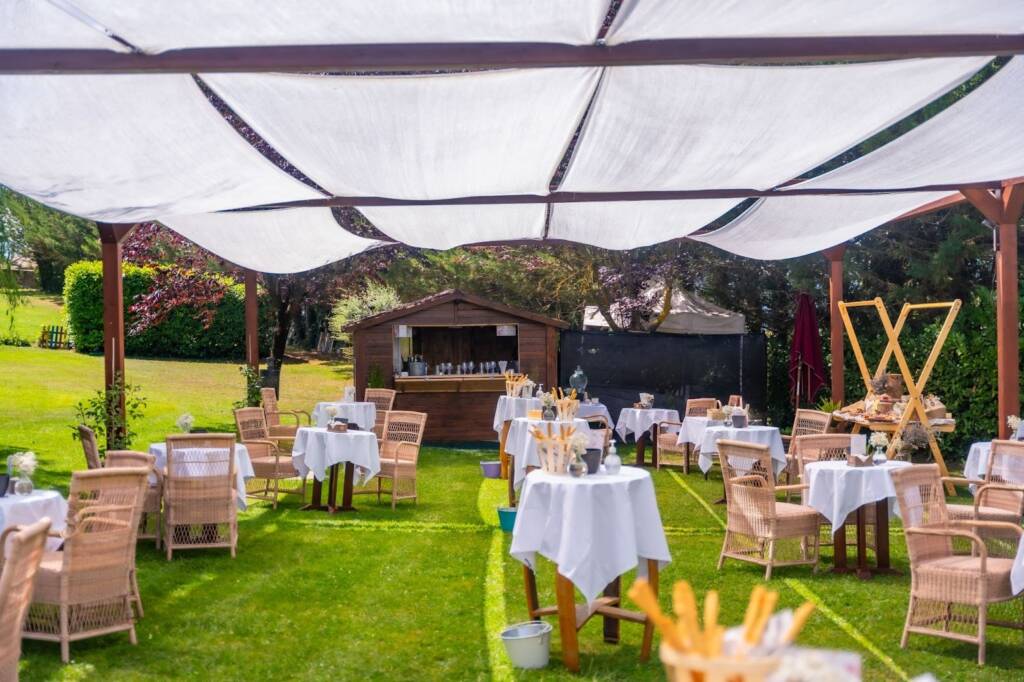
Multi-Room and Outdoor Features
Multi-room access expands your planning possibilities. Conferences often require breakout rooms for focused sessions. Weddings may benefit from separate ceremony and reception areas. Outdoor terraces add visual appeal but require contingency plans for inclement weather. Confirm backup indoor options in writing to avoid complications. This versatility allows smoother transitions between event segments.
Flow, Lighting, and Acoustics
Guest movement should feel intuitive from entrance to exit. Entry points must accommodate arrivals without congestion. Restrooms and catering stations need practical yet discreet placement. Lighting should complement the event’s mood while maintaining visibility. Test microphones and speakers during your visit to assess sound clarity. This technical evaluation enhances communication and comfort throughout the event.
Amenities and On-Site Support
Amenities distinguish a basic hall from a fully supported private event space. Some venues provide only the physical room, while others include comprehensive services. Understanding inclusions prevents unexpected costs and logistical gaps. This service comparison helps you select a venue that aligns with your operational needs.
Audio-Visual and Technical Services
Modern events rely on dependable technology. Projectors, sound systems, and wireless internet must function consistently. Ask whether technical staff remain available during your event. External equipment rentals can increase coordination complexity and cost. Test all systems before finalizing agreements. This technical confirmation protects presentations and performances from disruption.
Catering and Kitchen Capabilities
Food service influences guest satisfaction and brand perception. Some private venues require in-house catering, while others permit licensed external vendors. Review menu flexibility and accommodation for dietary restrictions. Confirm whether kitchen facilities can handle your projected volume. Discuss service styles such as buffet or plated meals. This clarity in catering prevents delays and confusion during service.
Staffing and Coordination Support
Experienced staff contribute to seamless execution. On-site coordinators often assist with vendor timelines and transitions. Security personnel may be necessary for larger gatherings. Confirm staff presence during setup and breakdown periods. Clear communication channels reduce last-minute misunderstandings. This staffing support strengthens the organization and professionalism.
Contracts and Rental Conditions
A written contract defines expectations between you and the venue. Careful review protects financial and operational interests. Many disputes arise from overlooked clauses or unclear terms. This contractual review prevents avoidable complications.
Fees and Payment Terms
Rental pricing often extends beyond the base rate. Taxes, service charges, and cleaning fees may apply. Security deposits vary depending on event type and size. Request a detailed cost breakdown before signing. Confirm payment deadlines and accepted methods in writing. This financial clarity supports accurate budgeting and accountability.
Cancellation and Liability Terms
Unexpected changes sometimes affect event plans. Cancellation policies outline refund conditions and notice periods. Some venues retain deposits after specific deadlines. Liability clauses may require event insurance coverage. Ask for clarification if any language seems vague or broad. This legal understanding reduces stress if adjustments become necessary.
Time Limits and Venue Restrictions
Venues typically impose fixed rental hours. Overtime fees can increase costs quickly if events run late. Confirm setup and cleanup windows within the agreement. Noise restrictions may apply in residential or mixed-use areas. Alcohol service often requires compliance with local licensing laws. This policy awareness keeps your event organized and compliant.
Plan Around the Right Private Event Space
The right private event space should shape your strategy, not limit it. When you align your layout, services, and timeline with the venue’s strengths, planning becomes more efficient and controlled. Clear decisions now reduce last-minute adjustments and protect the experience you want guests to remember. Review your options carefully, confirm the details that matter most, and center your plans around a space that fully supports your goals.
For more practical event-planning insights and venue guidance, visit the Rest Yourself River Ranch blog and explore ideas to help you plan with clarity and confidence.